
Wando: South Korea’s Island Jewel of the Cleanest Sea!
Are you dreaming of an escape to a place where the air is crisp, the sea is sparkling, and history whispers from every shore? Then allow me to introduce you to Wando, a captivating archipelago nestled in the southwestern tip of Jeollanam-do, South Korea. Often heralded as the “Cleanest Sea” region, Wando offers international visitors a truly authentic Korean island experience, blending stunning natural beauty with a rich maritime heritage and some of the freshest seafood you’ll ever taste.
My own memories of Wando, particularly from a visit in April 2014, conjure images of vibrant spring landscapes and the promise of delicious abalone. It’s a destination that truly embodies the tranquility and charm of Korea’s coastal regions, making it a must-visit for anyone seeking a unique adventure beyond the bustling cities.
Wando: A Glimpse into Korea’s Maritime Heart
Wando-gun, part of Jeollanam-do, is more than just a collection of islands; it’s a living testament to Korea’s deep connection with the sea. Geographically, it’s an intricate network of over 200 islands, both inhabited and uninhabited, scattered across the Yellow Sea. This unique geography has shaped its culture, its cuisine, and its history for centuries.
Historical and Cultural Significance
The history of Wando is inextricably linked to one of Korea’s most legendary figures: Jang Bogo. In the 9th century, during the Unified Silla Dynasty, Jang Bogo established Cheonghaejin on Wando Island. This powerful maritime base became a bustling hub of international trade, controlling sea routes between Korea, China, and Japan. He was a true “King of the Seas,” protecting merchants from pirates and fostering a vibrant economy that saw Wando at the forefront of East Asian commerce. Exploring the historical sites related to Cheonghaejin allows you to step back in time and imagine this incredible maritime empire.
Culturally, Wando is renowned for its pristine marine environment, which has made it the leading producer of abalone (전복) and various seaweeds like kelp and gim in South Korea. The local communities live in harmony with the ocean, relying on sustainable fishing and aquaculture practices that have been passed down through generations. This deep respect for nature is palpable, especially on islands like Cheongsando, a designated “Slow City.”
Exploring Wando: Top Attractions and Photo Opportunities
Wando offers a diverse range of attractions, from serene island retreats to panoramic viewpoints and historical landmarks. It’s a paradise for photographers, nature lovers, and foodies alike.
-
Cheongsando Island: Korea’s First “Slow City”
A visit to Wando isn’t complete without a ferry trip to Cheongsando, the first island in Asia to be designated a “Slow City” . This idyllic island, whose name translates to “Blue Mountain Island,” is famous for its stunning natural beauty, including vibrant yellow canola fields in spring, emerald green rice paddies, and turquoise waters. It’s also known as a filming location for popular dramas and films like “Seopyeonje.”
Best Photo Spots:
- Jiri Beach: Known for its black pebbles and picturesque pine forest.
- Bomnal-ui Haetsal or “Spring Day’s Sunshine” Path: A scenic coastal trail perfect for leisurely walks, especially beautiful in April when the canola flowers are in full bloom, offering incredible photographic opportunities that evoke the feeling of my 2014 visit.
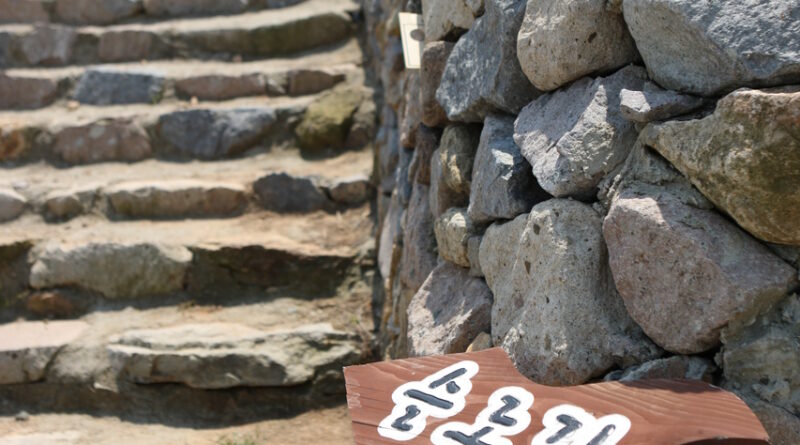
- Hwasim-ri Village: Traditional stone walls and charming village scenes.
-
Wando Tower
For breathtaking panoramic views of the entire Wando archipelago, head to Wando Tower. Located on Dongmangsan Mountain, the observation deck offers a stunning 360-degree vista, especially mesmerizing at sunset. It’s an excellent spot to get your bearings and appreciate the vastness of Wando’s marine landscape. There’s also a cafe and an exhibition hall inside.
-
Jang Bogo Historical Site
Delve into history at the Cheonghaejin Fortress Site, where Jang Bogo once commanded his maritime empire. Explore the ruins of the fortress walls, the well, and the flagpoles. The nearby Jang Bogo Memorial Hall provides further insights into his life and achievements, making it a fascinating stop for history buffs.
-
Wando Arboretum
If you need a break from the sea, the Wando Arboretum offers a tranquil retreat. As the only arboretum in a coastal warm temperate zone in Korea, it boasts a unique collection of diverse plant species, walking trails, and beautiful gardens, providing a peaceful environment for relaxation and nature photography.
-
Wando Fish Market
No trip to Wando is complete without indulging in its famous seafood. The Wando Fish Market is a vibrant hub where you can see, smell, and taste the freshest catches. From live abalone to various types of seaweed and exotic fish, it’s a culinary adventure. Many stalls also offer to prepare your chosen seafood on the spot, ensuring an unforgettable dining experience.
Planning Your Wando Adventure: Practical Tips & Getting There
Ready to pack your bags for this Korean island paradise? Here’s what you need to know to plan your trip.
Best Time to Visit
Wando is beautiful year-round, but each season offers a unique charm:
- Spring (April-May): My visit in April 2014 highlighted why this is a fantastic time. The weather is mild and pleasant, with Cheongsando’s canola fields bursting into vibrant yellow. It’s perfect for hiking and enjoying the fresh air.
- Summer (June-August): Ideal for beach activities, swimming, and enjoying the abundance of summer seafood. Be prepared for warmer temperatures and potentially higher tourist numbers.
- Autumn (September-October): Crisp air, comfortable temperatures, and stunning fall foliage (though less prominent than inland areas). Great for outdoor activities and enjoying the harvest season’s bounty.
- Winter (November-March): Quieter and more serene. While some outdoor activities might be limited, it’s a great time to enjoy unique winter seafood dishes and experience the calm solitude of the islands.
How to Get to Wando
Getting to Wando from Seoul or other major Korean cities is straightforward:
- By Express Bus: The most common and convenient way. Direct express buses run from Seoul’s Gangnam Express Bus Terminal to Wando Bus Terminal. The journey takes approximately 5-6 hours.
- By KTX + Bus: Take the KTX high-speed train from Seoul to Gwangju Songjeong Station. From Gwangju Songjeong, transfer to an intercity bus directly to Wando. This option can be faster if you prefer train travel for the majority of the journey.
- From Wando to Cheongsando: Ferries depart regularly from Wando-eup ferry terminal to Cheongsando. The ferry ride takes about 50 minutes.
Getting Around Wando
While local buses operate on Wando Island and Cheongsando, renting a car offers the most flexibility, especially if you plan to explore multiple sites or nearby destinations. Taxis are also available. For Cheongsando, many visitors enjoy renting bicycles or electric carts to explore the “Slow Road” trails.
Admission Fees
Most natural sites and trails in Wando are free to access. However, there are typically small admission fees for specific attractions like Wando Tower and the Jang Bogo Memorial Hall. Ferry tickets to Cheongsando Island also require a fee.
Food Recommendations
Wando is a culinary haven for seafood lovers. You absolutely must try:
- Abalone : Grilled, steamed, raw, or in porridge – Wando abalone is famous for its quality and freshness.
- Kelp : Often served as a side dish, or used in broths.
- Gim / Laver: High-quality dried seaweed.
- Various Fresh Fish: Enjoy a raw fish platter or a spicy fish stew at local restaurants.
Beyond Wando: Nearby Destinations for an Extended Itinerary
Wando’s prime location in Jeollanam-do makes it an excellent base for exploring other captivating destinations in the region. Consider combining your Wando trip with:
-
Haenam
Just a short drive from Wando, Haenam is known as “Land’s End” (Ttangkkeut Maeul), the southernmost point of the Korean peninsula. Visit the observation deck for spectacular views, and explore Mireuksa Temple. It’s a great addition for those who love scenic drives and significant geographical landmarks.
-
Jindo
Famous for the “Moses Miracle” – the mysterious sea road that appears during low tide, connecting Jindo Island to a smaller island. Jindo is also the home of the beloved Jindo dog, a national treasure. It offers a blend of natural wonder and cultural charm.