
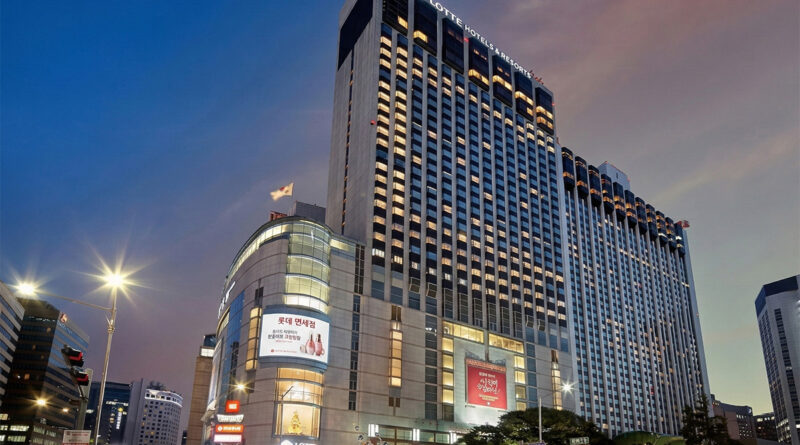
SEOUL: WHERE TO STAY?
🇰🇷 [Seoul Travel Guide] Best Areas & Hotels for Foreigners: Booking Tips & Essential Prep
Planning a trip to Seoul? As a city where ancient palaces meet futuristic skyscrapers, choosing the right “home base” can make or break your experience. In this guide, we’ll break down the best neighborhoods to stay in, recommended hotels with direct links, and a must-have checklist before you fly.
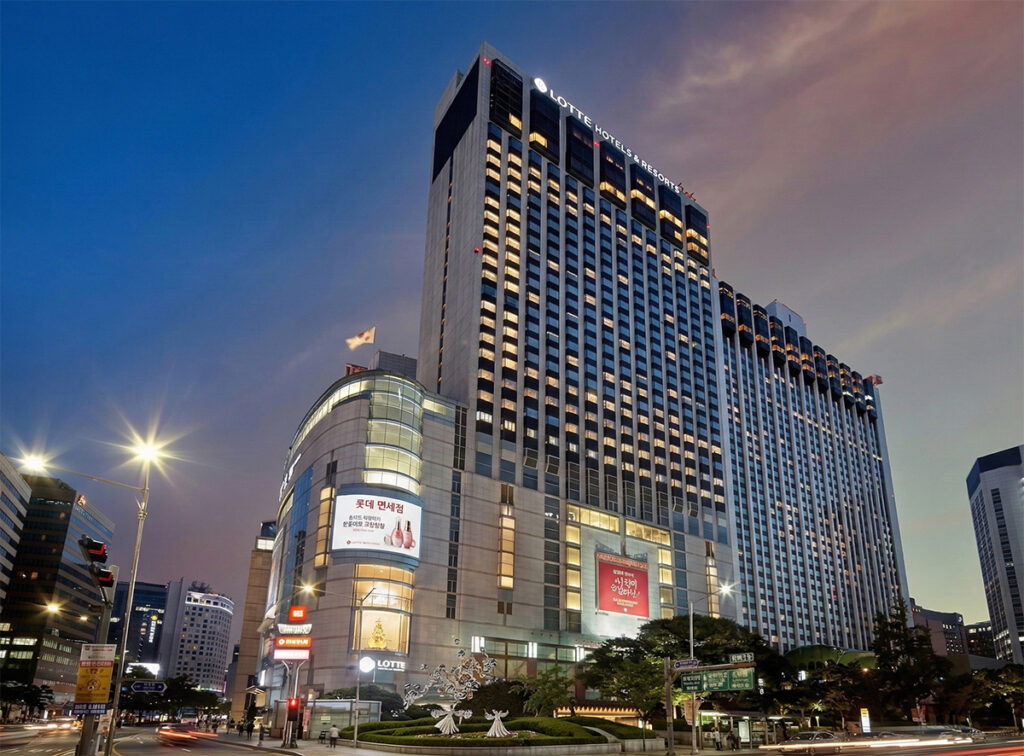
1. Top 3 Recommended Areas & Handpicked Hotels
A. Myeong-dong: The Heart of Shopping & Transit
Myeong-dong is the ultimate hub for first-time visitors. It offers unbeatable access to airport buses, subway Line 4, and endless street food. Most hotel staff here are fluent in multiple languages.
- L7 Myeongdong by LOTTE
- Vibe: Trendy, lifestyle-oriented with a stunning rooftop bar overlooking N Seoul Tower.
- [🔗 Official Website](https://www.lottehotel.com/myeongdong-l7/en.html)
- [📍 Google Maps Location](https://maps.app.goo.gl/3fX3y2n1j5z6a7b8)
- Nine Tree Premier Hotel Myeongdong 2
- Vibe: Premium comfort at an affordable price. Spacious rooms make it a favorite for families.
- [🔗 Official Website](https://www.ninetreehotels.com/ntm2/?lang=eng)
- [📍 Google Maps Location](https://maps.app.goo.gl/9kL1m2n3o4p5q6r7)
B. Hongdae: Youth, Arts, and Nightlife
If you want to experience Seoul’s creative energy, Hongdae is the place. It’s directly connected to Incheon Airport via the AREX (Airport Railroad).
- RYSE, Autograph Collection
- Vibe: A cultural landmark. Perfect for travelers who love art, high-end design, and a “hip” atmosphere.
- [🔗 Official Website](https://www.rysehotel.com/)
- [📍 Google Maps Location](https://maps.app.goo.gl/7s8d9f0g1h2j3k4l)
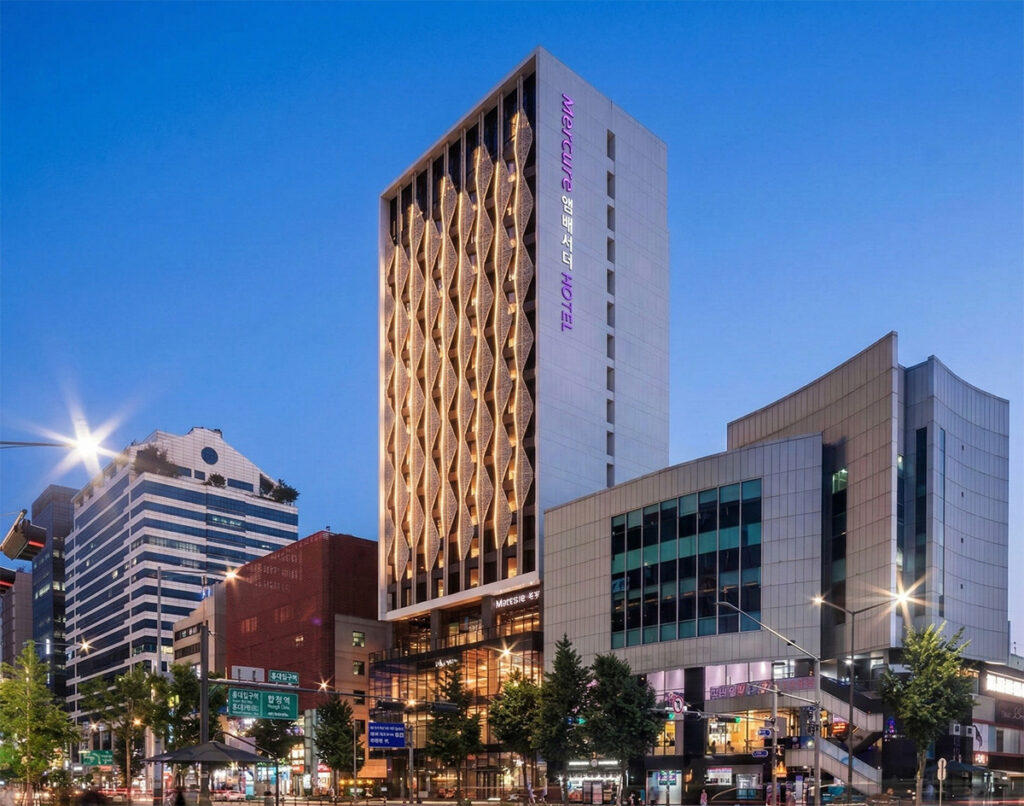
- Mercure Ambassador Seoul Hongdae
- Vibe: Modern, tech-friendly, and located right at the exit of Hongik Univ. Station.
- [🔗 Official Website](https://www.ambatel.com/mercure/hongdae/en/main.do)
- [📍 Google Maps Location](https://maps.app.goo.gl/a1b2c3d4e5f6g7h8)
C. Insadong & Bukchon: The Traditional Soul
Choose this area if you prefer quiet mornings, traditional tea houses, and being within walking distance of Gyeongbokgung Palace.
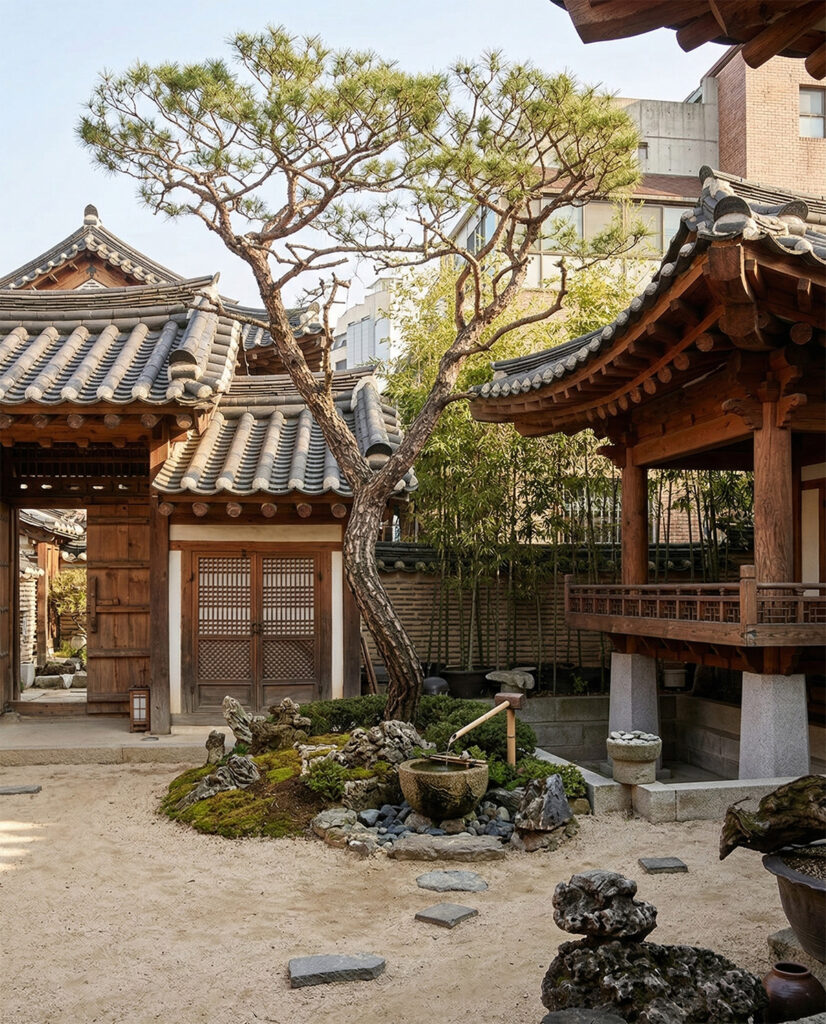
- Rakkojae Seoul (Premium Hanok Stay)
- Vibe: A 130-year-old traditional Korean house. Experience authentic “Ondol” (floor heating) and a peaceful courtyard.
- [🔗 Official Website](http://www.rkj.co.kr/index.php?lang=eng)
- [📍 Google Maps Location](https://maps.app.goo.gl/z9y8x7w6v5u4t3s2)
- Somerset Palace Seoul
- Vibe: Serviced residences with kitchenettes. Great for long-term stays or those who prefer a “home-away-from-home” feel.
- [🔗 Official Website](https://www.discoverasr.com/en/somerset-serviced-residence/south-korea/somerset-palace-seoul)
- [📍 Google Maps Location](https://maps.app.goo.gl/m1n2b3v4c5x6z7l8)
2. Essential Booking Tips for International Travelers
- Pay in KRW (Local Currency): When using sites like Agoda or Booking.com, always set the payment currency to KRW. This helps you avoid “Double Conversion” fees from your bank.
- The “Eco-Friendly” Policy: South Korea has strict laws against single-use plastics. Many hotels do not provide free toothbrushes or toothpaste. You can easily buy them at any 24/7 convenience store (CU, GS25, 7-Eleven).
- Floor Heating (Ondol): During winter, Korean hotels use floor heating. It’s incredibly cozy but can make the air dry. Ask the front desk for a humidifier if needed.
3. Digital Survival Kit (Must-Download Apps)
Don’t rely solely on Google Maps in Korea—it doesn’t support walking directions well! Download these instead:
- Naver Map: The gold standard for navigation in Korea. It provides real-time bus and subway data in English.
- Papago: The best translation app for Korean. Use the “Image” feature to translate menus instantly.
- WOWPASS: A specialized debit card for tourists. You can exchange your home currency into KRW directly at kiosks and use it as a transportation card (T-money).
4. Final Checklist Before You Arrive
- K-ETA or Visa: Check if your nationality requires a K-ETA (Electronic Travel Authorization). Apply at least 72 hours before departure.
- Climate-Card (Tourism Pass): Seoul recently launched a “Climate Card” for tourists. You can get unlimited subway and bus rides for 1, 2, 3, or 5 days at a very low cost.
- Universal Adapter: Korea uses 220V (Type C/F). While high-end hotels might have universal outlets, it’s safer to carry your own.
A Message from Seekorea21: Seoul is one of the safest and most vibrant cities in the world. Whether you’re here for the fashion of Myeong-dong or the history of Bukchon, we hope this guide helps you find the perfect stay. Welcome to Seoul!