
A Timeless Journey: Discover Gyeongju Yangdong Village, Korea’s Living UNESCO Heritage
Ever dreamed of stepping back in time to an era of scholarly pursuits, traditional architecture, and serene village life? Welcome to Gyeongju Yangdong Village (경주 양동마을), a truly extraordinary destination in South Korea that offers precisely that. As an expert in Korea tourism, I can confidently say that this UNESCO World Heritage site, nestled in the scenic Gyeongsangbuk-do province near the historic city of Gyeongju, is a must-visit for any international traveler seeking an authentic glimpse into Korea’s rich past. It’s not just a collection of old buildings; it’s a living, breathing testament to Joseon Dynasty culture, preserved for over 500 years.
Gyeongju Yangdong Village provides a unique opportunity to wander through a landscape seemingly untouched by modernity, where traditional *hanok* homes, ancient trees, and winding stone walls tell stories of generations past. Located in the picturesque countryside of Gyeongsangbuk-do, northeast of Gyeongju city center, this village is recognized globally for its outstanding universal value, showcasing the traditional Korean clan village structure and way of life. If you’re planning your next Korea travel adventure, make sure Yangdong Village is high on your list for an unforgettable cultural immersion.
Stepping Back in Time: The Heart of Joseon Dynasty Culture
Gyeongju Yangdong Village is one of Korea’s most significant traditional folk villages, a place where the spirit of the Joseon Dynasty (1392-1910) vividly endures. Established in the 15th century, the village has been home to the noble Wolseong Son and Yeogang Yi clans for centuries, their ancestral homes and scholarly academies still standing proudly today. This isn’t a museum; it’s a vibrant community where descendants of these clans continue to live, maintaining traditions and preserving their heritage.
What makes Yangdong Village particularly special is its harmonious integration with the natural landscape. Following the principles of *baesan-imsu* (mountain at the back, river in front), the village is cradled by mountains on three sides and faces the winding Hyeongsan River. The homes are strategically positioned along the mountain ridges and valleys, creating a natural flow and breathtaking views. You’ll find a captivating mix of tiled-roof houses (*giwa-jip*) belonging to the noble families and thatched-roof houses (*choga-jip*) that housed commoners, all meticulously preserved and reflecting the social hierarchy and architectural styles of the Joseon era.
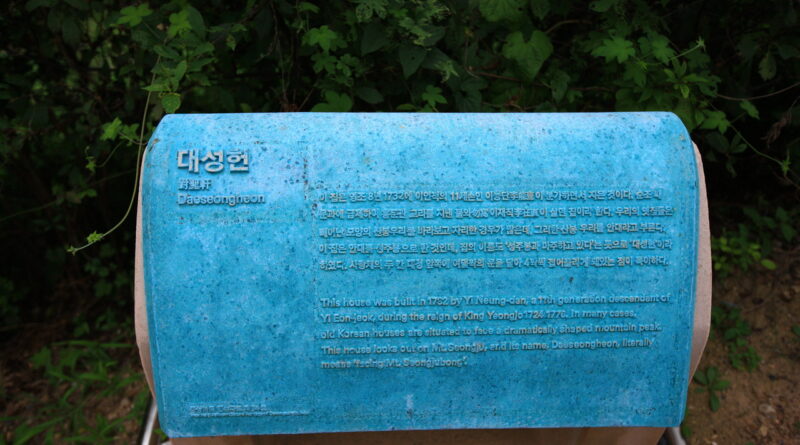
Wandering through the narrow alleys, past ancient trees and tranquil courtyards, you’ll encounter a wealth of cultural assets, including designated National Treasures and Important Folklore Materials. Key structures like Mucheomdang, Seobaekdang, Gwangajeong, and Hyangdan are architectural masterpieces that offer insights into the lives of Joseon scholars and aristocrats. Each building has a story, often related to renowned historical figures like Yi Eon-jeok and Son Jung-don, who contributed significantly to Korean philosophy and governance. This deep historical and cultural background makes Gyeongju Yangdong Village a treasure trove for anyone interested in Korean history and traditional architecture.
Planning Your Perfect Visit to Yangdong Village
To truly appreciate the beauty and history of Gyeongju Yangdong Village, strategic planning is key. Here’s everything you need to know for a smooth and enriching experience:
Best Seasons to Visit
- Spring (April-May): The weather is mild and pleasant, perfect for walking. Gyeongju is famous for its cherry blossoms, and while Yangdong Village itself isn’t a cherry blossom hotspot, the surrounding areas and the drive to the village can be spectacular.
- Autumn (September-November): Often considered the best time. The foliage turns vibrant shades of red and gold, creating stunning backdrops for photos. The crisp air makes exploration comfortable and enjoyable.
- Summer (June-August): While lush and green (as seen in the August 2010 photo), summer can be hot and humid, especially in August. Early mornings or late afternoons are best if visiting during this season.
- Winter (December-March): The village can be beautifully serene under a blanket of snow, offering a stark yet picturesque landscape. However, it can be very cold, and some paths might be slippery. Fewer crowds make for a peaceful visit.
How to Get There
Gyeongju Yangdong Village is located in Gyeongsangbuk-do, a short distance from Gyeongju city center. Wondering how to get to this historical gem?
- From Gyeongju City:
- Bus: Take local bus numbers 200, 203, 207, 212, 217, 218, 222, or 252 from the Gyeongju Intercity Bus Terminal or Gyeongju Station. The journey takes approximately 40-50 minutes. Ask the driver to drop you off at Yangdong Village (양동마을).
- Taxi: A taxi offers the most convenience, taking about 20-30 minutes from Gyeongju city center. It will be pricier but can be a good option if traveling with a group or limited time.
- Rental Car: Renting a car provides the most flexibility, allowing you to easily combine your visit with other Gyeongju attractions. The village has a dedicated parking lot.
- From Seoul/Busan:
- Take a KTX high-speed train to Singyeongju Station (신경주역). From there, you can take a local bus (e.g., bus 203) or a taxi directly to Yangdong Village.
Admission Fee & Practical Visitor Tips
- Admission Fee: There is a small admission fee (typically a few thousand Korean Won) to enter the village, which contributes to its preservation.
- Comfortable Shoes: You’ll be doing a lot of walking on uneven paths and gentle hills, so wear comfortable footwear.
- Respect Residents: Remember, this is a living village. Be mindful of residents’ privacy, avoid loud noises, and do not enter private homes without permission.
- Allow Time: Allocate at least 2-3 hours to fully explore the village at a leisurely pace. You could easily spend half a day here.
- Food & Drink: There are limited food and beverage options inside the village. It’s wise to bring your own water, especially on hot days. There’s a visitor center near the entrance with restrooms and basic amenities.
Capturing Moments & Exploring Beyond
Best Photo Spots in Yangdong Village
Gyeongju Yangdong Village is a photographer’s dream, offering countless picturesque scenes. For stunning panoramic shots, head to the higher points of the village, such as near Gwangajeong or Hyangdan, where you can capture the sprawling *hanok* roofs nestled amidst the landscape. The narrow, winding stone-walled alleys provide excellent opportunities for atmospheric shots, while the traditional courtyards with their intricate details offer intimate cultural insights. Don’t forget to photograph the village entrance, often framed by lush rice paddies or a tranquil stream, showcasing the harmonious blend of nature and architecture. The contrast of the noble tiled-roof homes against the more rustic thatched-roof houses also makes for compelling imagery.
Nearby Attractions for Your Gyeongju Itinerary
Gyeongju Yangdong Village is perfectly situated to be part of a broader Gyeongju tourism itinerary. Gyeongju, often called “the museum without walls,” served as the capital of the Silla Kingdom for nearly 1,000 years and is brimming with historical treasures. Consider combining your visit to Yangdong with these iconic sites:
- Bulguksa Temple & Seokguram Grotto: Two of Korea’s most revered UNESCO World Heritage sites, showcasing exquisite Silla Buddhist art and architecture. They are a must-see for any visitor to Gyeongju.
- Daereungwon Tomb Complex (Cheonmachong): Explore ancient royal burial mounds, including the Cheonmachong Tomb, where you can see excavated artifacts.
- Anapji Pond (Donggung Palace and Wolji Pond): A beautiful former Silla palace site, particularly stunning at night when the reconstructed pavilions are illuminated, reflecting on the pond.
- Gyeongju National Museum: Home to an extensive collection of Silla artifacts, providing deeper context to the region’s rich history.
- Namsan Mountain: For outdoor enthusiasts, Namsan is an open-air museum filled with Buddhist relics, pagodas, and statues carved into the rock faces, offering scenic hikes.
By integrating Gyeongju Yangdong Village into a multi-day Gyeongju exploration, you’ll gain a comprehensive understanding of Korea’s profound cultural heritage, from ancient kingdoms to preserved Joseon Dynasty life. It’s an ideal way to experience the depth of Korean history and create lasting memories.
Gyeongju Yangdong Village offers more than just sightseeing; it’s an immersive journey into the soul of Korea. Its timeless beauty, rich history, and living traditions make it an unparalleled destination for international travelers. So, pack your bags, prepare for an inspiring cultural adventure, and add this incredible UNESCO World Heritage site to your Korea travel plans!
#GyeongjuYangdongVillage #KoreaTravel #UNESCOKorea #JoseonDynasty #TraditionalKoreanVillage