
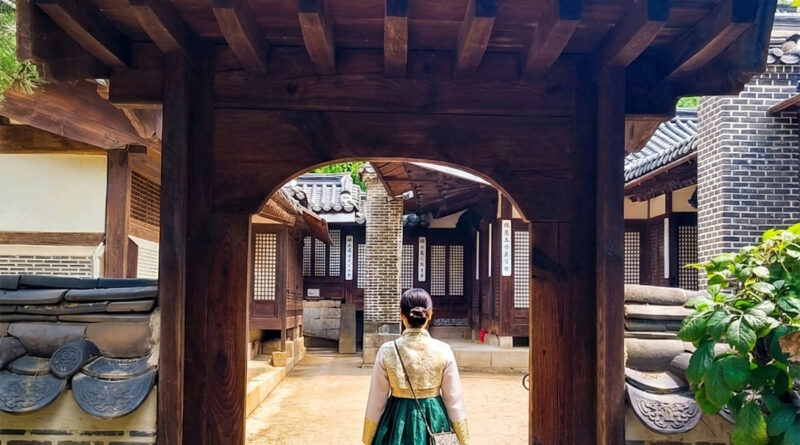
Free & Royal: A Must-Visit Historical Gem in the Heart of Seoul
Free & Royal: A Must-Visit Historical Gem in the Heart of Seoul
[Seoul Travel] Beyond Gyeongbokgung: Discover the Elegant Tranquility of Unhyeongung Palace
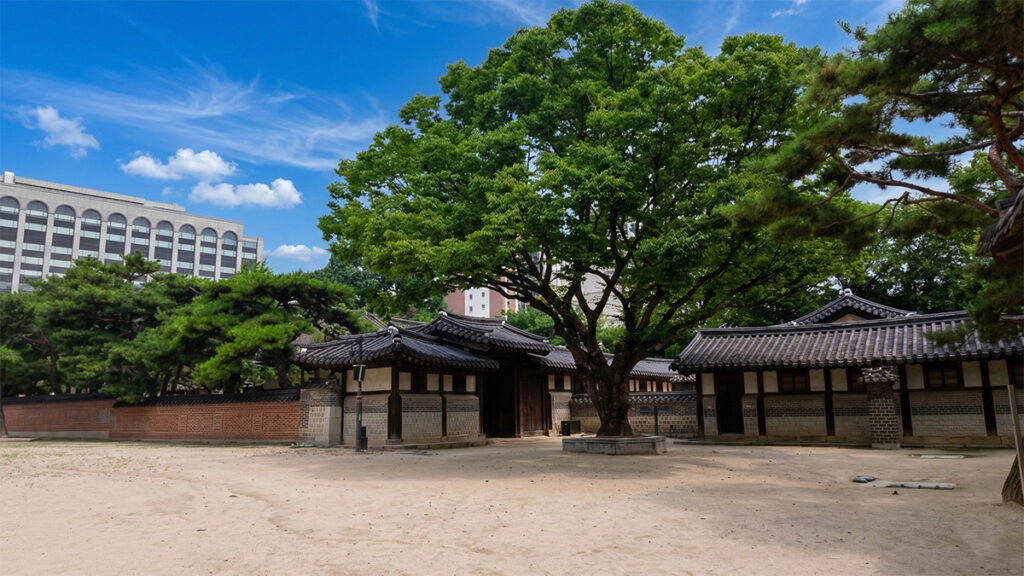
Many travelers visiting Seoul have Gyeongbokgung Palaceat the top of their list. While the main palace is undoubtedly grand and iconic, it can often feel crowded and overwhelming.
If you are looking for a place where you can truly feel the “breath of old Korea” in a quiet, sophisticated atmosphere, let me introduce you to a hidden gem: Unhyeongung Palace.
1. A Royal Residence with Deep History
Unlike the massive state palaces, Unhyeongung was a “Jamjeo” —the private residence of a king before he ascended the throne. This was the home of Heungseon Daewongun, the father of King Gojong (the 26th monarch of Joseon and the first Emperor of Korea). King Gojong lived here until the age of 12.
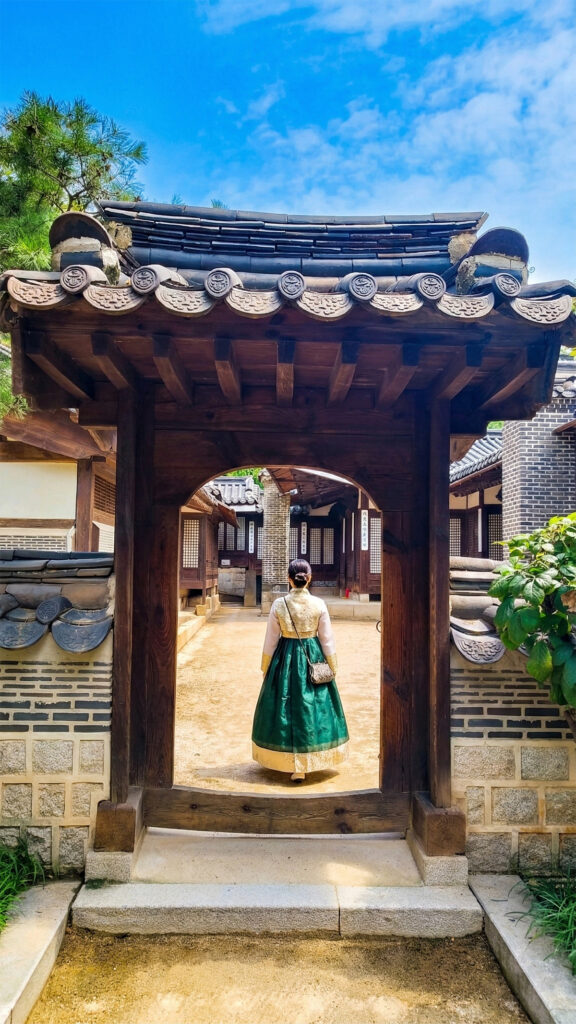
Walking through these gates, you aren’t just looking at buildings; you are stepping into the private lives of the Joseon royal family. The scale is smaller than Gyeongbokgung, but the layout is incredibly tight, intentional, and artistic.
2. The Wisdom of “Aging with Joy” (老)
One of the most touching aspects of Unhyeongung is the names of its buildings. You will notice the Chinese character ‘No’ (老), meaning “elderly” or “aging,” in several places:
- Noandang:The main quarters where Heungseon Daewongun spent most of his time. The name implies “honoring the elderly and making them comfortable.”
- Norakdang:The largest and most beautiful building here, where grand family events and weddings were held. It means “a place to enjoy even in old age.”
- Irodang :A private residence for the ladies of the house.
There is a profound wisdom in these names—a reminder that life’s beauty doesn’t fade with time, but rather matures into something more “joyful” and “comfortable.”
3. A Glimpse into the Past: Sujiksa and Daily Life
As soon as you enter (and yes, admission is free!), you will see Sujiksa. These were the small, humble rooms for the guards and servants who protected the palace.
Inside these tiny rooms, you can see simple daily tools and traditional hats used by the guards. It’s a striking contrast to the elegant wooden structures of the main halls, making you reflect on the social hierarchy and the lives of the people who kept this grand estate running.
4. Design & Aesthetics: Simple yet Sophisticated
As a designer, I find the architecture of Unhyeongung particularly captivating.
- The Archways:Look for the beautiful arched brick entrance leading to Irodang. It feels slightly different from other Joseon architectures—more intimate and structurally unique.
- The Interior:Inside the rooms, you’ll see tea tables, thick floor mattresses (yo), and traditional furniture arranged as if the residents just stepped out for a moment.
- The Contrast:While the exterior of the buildings is incredibly elegant and “luxurious” in a restrained way, the lifestyle items inside might seem surprisingly humble. However, this is the authentic charm of Joseon’s “Seonbi” (scholar) spirit—valuing substance over flashy ornaments.
5. Why You Should Visit Unhyeongung
- Quiet Contemplation:Unlike the bustling Gyeongbokgung, you can actually hear the wind through the trees here. It’s perfect for meditation or quiet photography.
- Perfect Location:Located right near Anguk Station, it’s a short walk to Bukchon Hanok Village and Insadong.
Location:464 Samcheong-ro, Jongno-gu, Seoul (Near Anguk Station, Exit 4)
Opening Hours:09:00 – 18:00 (Closed on Mondays)
Admission:Free
#SeoulTravel #VisitKorea #UnhyeongungPalace #KoreanHistory #HiddenGemSeoul #JoseonDynasty #Seekorea21 #SeoulGuide #TraditionalArchitecture