
Hapcheon: Unearthing Gyeongsangnam-do’s Hidden Historical and Natural Gems
Annyeonghaseyo, fellow adventurers! Are you dreaming of a Korean journey that takes you beyond the bustling metropolises and into the heart of authentic culture and breathtaking nature? Then pack your bags, because today we’re setting our sights on Hapcheon (합천), a truly captivating destination nestled in the scenic province of Gyeongsangnam-do, South Korea. Often overshadowed by bigger names, Hapcheon is a treasure trove of spiritual heritage, stunning landscapes, and unique cinematic experiences, making it an absolute must-visit for anyone seeking a deeper connection with Korea.
Hapcheon: A Journey Through Time and Nature’s Canvas
Strategically located in the inland reaches of Gyeongsangnam-do, in the southeastern part of the Korean Peninsula, Hapcheon-gun offers a harmonious blend of historical depth and natural beauty. It’s a place where ancient scriptures are preserved in a temple recognized by UNESCO, where mountains burst into vibrant color, and where you can literally walk through the sets of famous Korean dramas and movies. Hapcheon is easily accessible, yet feels wonderfully off the beaten path, promising an enriching experience for every international traveler.
The Spiritual Heart: Haeinsa Temple and the Tripitaka Koreana
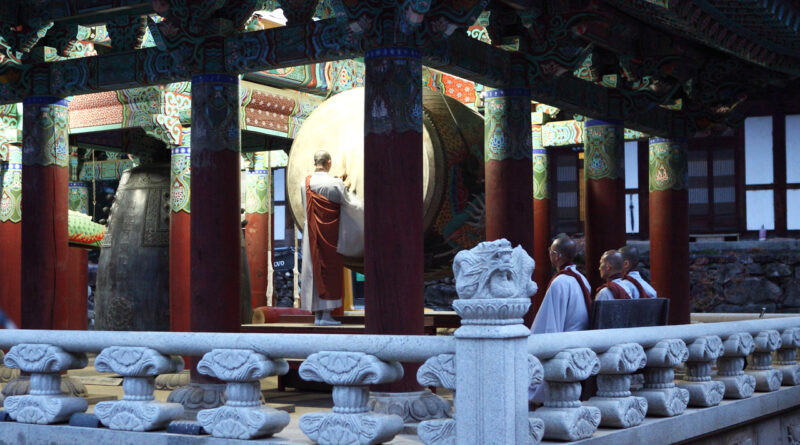
No visit to Hapcheon is complete without immersing yourself in the profound tranquility of Haeinsa Temple (해인사), one of Korea’s three great Buddhist temples and a UNESCO World Heritage site. Founded in 802 AD, Haeinsa is not just a stunning architectural marvel tucked away on the slopes of Gayasan Mountain; it’s the sacred home of the Tripitaka Koreana (팔만대장경). This incredible collection consists of over 80,000 wooden printing blocks, containing the complete Buddhist canon, carved in the 13th century during the Goryeo Dynasty to invoke Buddha’s help against the Mongol invasions.
Walking through the Janggyeong Panjeon (Depository for the Tripitaka Koreana Woodblocks), you’ll feel the weight of history and devotion. The ingenious design of these storage halls, built without nails and utilizing natural ventilation, has preserved the woodblocks for over 700 years without any degradation – a testament to ancient Korean scientific prowess. The temple grounds themselves are a feast for the senses, with intricate eaves, serene courtyards, and the calming scent of pine. For those seeking a deeper spiritual experience, Haeinsa also offers temple stay programs, allowing visitors to experience the daily life of Buddhist monks.
Best Photo Spot: The Janggyeong Panjeon buildings themselves, with their unique architecture and the surrounding natural landscape, offer breathtaking photographic opportunities. Capture the intricate details of the temple against the backdrop of changing seasons.
Nature’s Grandeur: Hwangmaesan Mountain and Hapcheon Lake
Beyond its spiritual treasures, Hapcheon boasts spectacular natural scenery. Hwangmaesan Mountain (황매산) is undoubtedly the crown jewel, renowned for its dramatic peaks and vibrant seasonal displays. In late spring (typically May), the mountain transforms into a breathtaking canvas of fuchsia and crimson as the royal azaleas (철쭉, cheoljjuk) bloom across its expansive fields, attracting photographers and hikers from all over. Come autumn, the slopes are covered in shimmering silver grass (억새, eoksae), creating a different, equally mesmerizing spectacle.
Nestled at the foot of Hwangmaesan is the serene Hapcheon Lake (합천호), an artificial lake formed by the Hapcheon Dam. Its tranquil waters reflect the surrounding mountains, offering picturesque views and a peaceful spot for relaxation. You can enjoy a leisurely drive around the lake, stopping at viewpoints to soak in the scenery or even try some local fishing.
Best Photo Spot: The vast fields of royal azaleas on Hwangmaesan in May, or the silver grass in autumn, provide incredible landscape photography opportunities. For the lake, capture the reflections of the mountains at sunrise or sunset.
Step into the Past: Hapcheon Image Theme Park
For a unique and delightfully nostalgic experience, head to the Hapcheon Image Theme Park (합천영상테마파크). This expansive outdoor set is Korea’s largest period drama and film set, meticulously recreating various eras of Korean history, from the streets of 1930s Gyeongseong (old Seoul) under Japanese colonial rule to the bustling neighborhoods of 1970s and 80s Seoul. Many famous Korean movies and TV dramas, including “Mr. Sunshine,” “Taxi Driver,” and “Squid Game” (partially filmed here), have used this park as their backdrop.
Wandering through the streets, you’ll feel like you’ve stepped back in time. Explore old train stations, retro cafes, vintage shops, and even a recreated brothel district. It’s an incredibly fun place for photography, dress-up, and reliving iconic scenes from your favorite K-dramas. There are also interactive experiences and sometimes even actors in period costumes, adding to the immersive atmosphere.
Best Photo Spot: Everywhere! The retro cafes, old tram, and meticulously recreated streets offer endless unique photo opportunities. Don’t miss the chance to pose with the vintage cars or in front of the old movie theater.
Planning Your Unforgettable Hapcheon Adventure
Best Seasons to Visit
- Spring (April – May): Absolutely spectacular! This is prime time for the royal azaleas on Hwangmaesan Mountain, painting the slopes in vibrant hues. The weather is generally mild and pleasant, perfect for hiking and exploring Haeinsa Temple.
- Autumn (September – November): Another fantastic choice. The foliage around Haeinsa Temple is stunning, and Hwangmaesan is covered in golden silver grass. The crisp air makes for comfortable sightseeing.
- Summer (June – August): While lush and green, summer can be hot and humid, especially in July and August. However, the lake offers a refreshing escape, and the mountains are beautiful with their vibrant greenery.
- Winter (December – March): Hapcheon can experience cold temperatures and occasional snow, offering a serene, quiet beauty, especially at Haeinsa Temple, which looks magnificent under a blanket of white. Many outdoor activities might be limited.
Getting to Hapcheon
Hapcheon-gun is well-connected despite its tranquil atmosphere. While there isn’t a direct KTX train station in Hapcheon itself, getting there is straightforward:
- From Seoul:
- By KTX + Bus: Take the KTX from Seoul Station or Suseo Station to Dongdaegu Station (동대구역). From Dongdaegu Express Bus Terminal (동대구고속버스터미널), take an intercity bus directly to Hapcheon Bus Terminal (합천시외버스터미널). The total journey takes approximately 3.5-4 hours.
- By Express Bus: Take an express bus from Seoul Nambu Bus Terminal (서울남부터미널) directly to Hapcheon Bus Terminal. This is a comfortable and direct option, taking around 4 hours.
- From Busan:
- By Bus: Take an intercity bus from Busan Seobu Bus Terminal (부산서부시외버스터미널) to Hapcheon Bus Terminal. This journey typically takes about 2 hours.
- Local Transportation: Once in Hapcheon, local buses connect the bus terminal to major attractions like Haeinsa Temple and Hapcheon Image Theme Park. Taxis are also available. For maximum flexibility, especially if you plan to visit multiple spots like Hwangmaesan, renting a car is highly recommended.
Visitor Tips for Hapcheon
- Comfortable Footwear: You’ll be doing a lot of walking, especially at Haeinsa Temple and Hwangmaesan Mountain. Good walking shoes are essential.
- Temple Etiquette: When visiting Haeinsa, dress modestly, speak softly, and be respectful of the sacred environment.
- Check Opening Hours: Always confirm the operating hours and admission fees for attractions like Haeinsa Temple and Hapcheon Image Theme Park before your visit.
- Local Cuisine: Don’t leave Hapcheon without trying some local specialties. Given its mountainous terrain, look for dishes featuring mountain vegetables (산채비빔밥, sanchae bibimbap) and fresh, seasonal ingredients.
- Accommodation: Options range from local motels and guesthouses in Hapcheon-eup to the serene Haeinsa Temple Stay program for a truly unique cultural immersion.
Nearby Wonders: Extending Your Gyeongsangnam-do Itinerary
Hapcheon makes an excellent base or a perfect stop on a larger Gyeongsangnam-do adventure. Consider combining your visit with these nearby destinations:
- Jinju (진주): Just an hour’s drive away, Jinju is famous for its picturesque Jinju Fortress (진주성) and the stunning Namgang River. If you’re visiting in October, don’t miss the spectacular Jinju Namgang Yudeung (Lantern) Festival!
- Daegu (대구): As a major metropolitan city and transportation hub, Daegu is a great place to experience urban Korean culture, enjoy delicious food (like Makchang, grilled pork intestines), and explore vibrant markets or modern art spaces before or after your Hapcheon trip.
- Changnyeong Upo Wetland (창녕 우포늪): A bit further but easily accessible, this is Korea’s largest natural wetland, a haven for migratory birds and a serene spot for nature lovers.
Hapcheon offers a refreshing escape into the authentic heart of Korea, where ancient wisdom meets natural splendor and cinematic magic. Whether you’re a history buff, a