
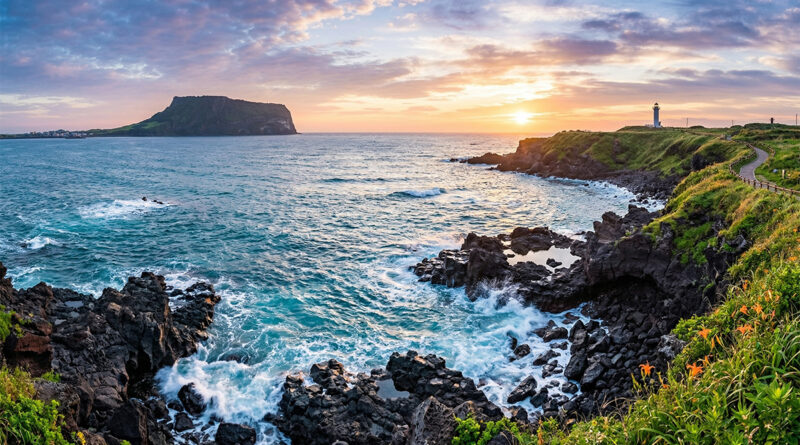
Jeju Island: South Korea’s Volcanic Paradise and UNESCO Gem Awaits You!
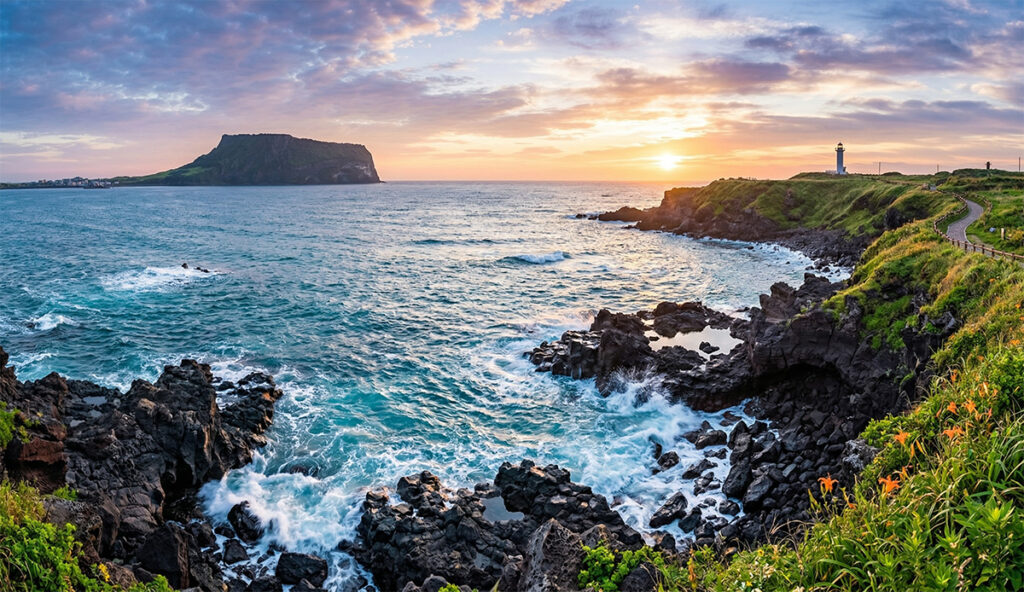
Can you feel the blue nights of Jeju and the emerald ocean sparkling before your eyes? Often called the “Hawaii of Korea,” Jeju Island is a magical destination that flutters the heart every single time. From breathtaking volcanic landscapes to the touching stories of the Haenyeo (sea women), I’ve poured my firsthand experiences into this guide to show you the true charm of Jeju.
I’ve optimized this post with rich information and a lively atmosphere—the kind Google AdSense loves—so if you’re planning a trip to Jeju, stay tuned until the end!
1. Why the World Loves Jeju: A Gem Crafted by Volcanoes
Jeju isn’t just a resort; it’s a massive natural museum. Born from eruptions millions of years ago, the island is centered around Hallasan Mountain, South Korea’s highest peak and the very soul of Jeju.
As you explore, you’ll notice the iconic black basalt stone walls. Jeju was historically known as “Samda-do” (the island of three abundances): wind, stones, and women. The Haenyeo culture—women who dive into the harsh sea without oxygen tanks—is a symbol of resilience and is even listed as a UNESCO Intangible Cultural Heritage.
Conversely, Jeju is also called “Sammu-do” (the island of three lacks): beggars, thieves, and gates. This reflects the warm, self-sufficient community spirit of the locals. Thanks to this blend of culture and geology, Jeju holds a “Triple Crown” from UNESCO: World Natural Heritage, Biosphere Reserve, and Global Geopark.
2. Don’t Miss Out: Jeju’s Seasonal Highlights
Jeju shows a completely different face depending on when you visit. Pick the perfect timing for your style!
-
Spring (March–May): A Sea of Yellow Canola and Cherry Blossoms Take a drive down Noksan-ro in Gasi-ri. The tunnels of pink cherry blossoms and yellow canola flowers are instant “Instagram gold.” The mild weather is also perfect for starting an Olle Trail trek.
-
Summer (June–August): Emerald Waters for Water Lovers The water at Hyeopjae, Hamdeok, and Gimnyeong is surreal—you’ll feel like you’re in the Maldives. If you love surfing, the waves at Jungmun Saekdal Beach are a must!
-
Autumn (September–November): Silver Grass and Hallasan Foliage This is my personal favorite. The silver grass swaying in the wind at Sangumburi is a masterpiece. Hiking up the Yeongsil Trail on Hallasan offers autumn colors so vibrant they’ll make you forget all your fatigue.
-
Winter (December–February): White Snow vs. Red Camellias Winter in Jeju is surprisingly romantic. Walking among the red camellias at Camellia Hill or gazing at the snow-capped Baekrokdam crater on Hallasan is a once-in-a-lifetime memory.
3. Best Photo Spots for Photographers
Empty your memory cards before you arrive! In Jeju, everywhere is a studio.
-
Seongsan Ilchulbong (Sunrise Peak): A massive volcanic tuff cone rising from the sea. The sunrise here is beyond words.
-
Jeongbang Waterfall: The only waterfall in Asia that falls directly into the ocean. Capture the cool mist and the sound of waves together.
-
Jusangjeolli Cliff: These hexagonal stone pillars look like they were carved by hand. It’s a stunning display of nature’s mystery.
-
Manjanggul Cave: Step inside a massive lava tunnel and feel the earth’s ancient history. The mysterious lighting makes for very unique shots.
-
Iho Taewoo Horse Lighthouses: The red and white pony-shaped lighthouses are peak “aesthetic” during sunset.
4. Pro Travel Tips: From Transport to Food
Here is your essential checklist for a perfect trip.
-
Transportation: Jeju is larger than you might think. Renting a car is highly recommended for flexibility. International travelers must bring an International Driving Permit. If you can’t drive, use the Jeju Bus Information System or book a Taxi Tour.
-
Must-Eat List:
-
Jeju Black Pork: Thick pork belly dipped in mel-jeot (anchovy sauce) is food for the soul.
-
Fresh Seafood: Try Abalone Porridge, Braised Hairtail Fish, and Sea Urchin Soup. Getting a “Seafood Platter” sliced fresh by Haenyeo right by the sea is a top-tier experience.
-
Jeju Tangerines & Hallabong: Refresh your vitamins with the fruit or a fresh-squeezed juice.
-
Omegi-tteok: A traditional rice cake with red beans—great for souvenirs!
-
-
Accommodation: Choose a resort in Jungmun for luxury, or a traditional stone-house B&B in a coastal village for local vibes.
5. Recommended Itinerary: The 4-Day Golden Route
For those short on time, here is my curated “best of” route:
-
Day 1 (East): Arrive at Jeju Airport -> Stroll Hamdeok Beach -> Explore Manjanggul Cave -> Sunset at Seongsan Ilchulbong.
-
Day 2 (South): Trip to Udo Island (by bike/electric car) -> Jeongbang Waterfall -> Seogwipo Maeil Olle Market food tour.
-
Day 3 (West): Light trek on Hallasan (Eoseungsaengak Trail) -> O’sulloc Tea Museum -> Sunset at Hyeopjae Beach.
-
Day 4 (North): Shopping in Jeju City -> Iho Taewoo Lighthouse -> Head to the airport.
Jeju isn’t just a destination you pass through; it’s a space to breathe and recharge. Don’t overthink it—book that flight! The emerald sea and warm breeze are waiting for you.
#JejuIsland #KoreaTravel #JejuDo #SouthKoreaTourism #TravelKorea #VisitJeju #JejuTrip #ExploreKorea #WorldHeritage #JejuFood #JejuLife