
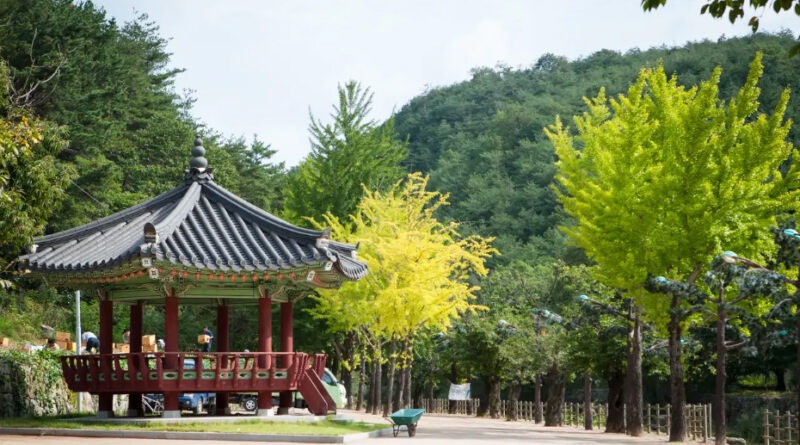
Bonghwa: A Breath of Fresh Air in the Baekdu-daegan Mountains
Bonghwa: A Breath of Fresh Air in the Baekdu-daegan Mountains
Have you ever dreamed of stumbling upon a place that feels like a well-kept secret, whispered only by the wind through ancient pines? If you’re an international traveler craving a Korea that exists beyond the neon glow of Seoul or the crowded beaches of Busan, let me introduce you to my absolute favorite “reset button”: Bonghwa-gun.
Tucked away in the rugged, mountainous northern reaches of Gyeongsangbuk-do, Bonghwa isn’t just a destination; it’s a portal to an older, gentler world. Imagine air so crisp it feels like a cold glass of water, and landscapes so pristine they look like a traditional ink-and-wash painting come to life. This is where the Baekdu-daegan, the literal spine of the Korean peninsula, flexes its majestic muscles, keeping the modern world at a polite distance.
The Magic of the Seasons: When Should You Pack Your Bags?
Bonghwa is a shapeshifter, wearing a completely different (but equally stunning) outfit every few months. Here is the “insider’s scoop” on when to visit:
1. Autumn (September–November): The Crown Jewel If you can only visit once, make it autumn. The mountains don’t just change color; they erupt. We’re talking fiery reds, deep oranges, and shimmering golds that will make your camera roll cry for mercy. This is also the season of the legendary Bonghwa Pine Mushroom (Songi). Walking through the local markets in late September, the earthy, woody scent of these “diamonds of the forest” is everywhere. Eating them freshly grilled with a pinch of salt is a spiritual experience for your taste buds.
2. Spring (April–May): A Soft Awakening As the mountain snow melts, the valleys blush with pale pink cherry blossoms and vibrant purple azaleas. It’s the perfect time for those “slow travel” days—wandering through Hanok villages without breaking a sweat, soaking in the scent of new life.
3. Summer (June–August): The Ultimate Cool-Down While the rest of Korea is steaming, Bonghwa stays delightfully refreshed thanks to its high elevation. It’s the place to go “valley-hopping.” You can dip your toes in ice-cold streams and join the locals at the Eun-eo (Sweetfish) Festival. Imagine catching fish with your bare hands in crystal-clear water—it’s pure, unadulterated summer joy!
4. Winter (December–March): The Silent Wonderland Winter here is for the seekers of silence. The heavy snowfall transforms the ancient pavilions into scenes from a fairy tale. It’s cold, yes, but there is nothing quite like the contrast of the dark, sturdy pine trunks against a blanket of pure white snow.
My “Can’t-Miss” Bonghwa Bucket List
Cheongamjeong Pavilion: A Living K-Drama Set If you feel a sense of déjà vu here, it’s because this stunning pavilion, perched on a giant turtle-shaped rock in the middle of a pond, has featured in countless historical dramas. Surrounded by a grove of ancient trees, it embodies the “Seonbi” (scholar) spirit of old Korea. Pro tip: Stand on the stone bridge for the ultimate “scholar-chic” photo.
The V-Train: A Visual Feast on Rails You haven’t seen the Baekdu-daegan until you’ve seen it from the V-Train (Valley Train). With its huge glass windows, this retro-style train winds through dizzying gorges and steep cliffs that are inaccessible by car. Keep an eye out for Yangwon Station, the tiniest train station in Korea, built by the hands of the local villagers themselves because they wanted the train to stop for them. It’s a heart-warming piece of local history.
Baekdu-daegan National Arboretum This isn’t your average city park. It’s one of the largest arboretums in the world, dedicated to preserving the DNA of Asian plants. The highlight? The Siberian Tiger Forest, where you can see these majestic creatures roaming in a massive natural enclosure. It’s a powerful reminder of the wild heart that still beats in Korea.
The Practical Stuff: Getting Your Adventure Started
How to Get There Bonghwa’s remoteness is its charm, but it does require a little strategy:
-
By Train: From Seoul, take the KTX to Yeongju Station, then hop on a local Mugunghwa train or a bus to Bonghwa. It’s a beautiful transition from urban jungle to deep forest.
-
By Car: If you’re comfortable driving, renting a car is a game-changer. The winding mountain roads (especially Route 35, often cited as one of Korea’s most beautiful drives) are half the fun!
The “Real Korea” Experience: Staying and Eating Forget the giant hotels. In Bonghwa, you stay in a Hanok (Traditional House). There’s nothing quite like sleeping on a warm ondol (heated floor) and waking up to the sound of a distant temple bell.
When it comes to food, prepare for a “mountain-to-table” feast. Order a Sanchae Bibimbap—it’s loaded with wild greens foraged from the very hills you were just hiking. It tastes like the forest in a bowl: healthy, vibrant, and incredibly satisfying.
A Few Tips for the Road
-
Layer Up: Mountain weather is famously moody. Even in summer, evenings can be chilly.
-
Cash is Handy: While Korea is a credit-card paradise, small stalls selling roasted chestnuts or handmade crafts in Bonghwa might prefer a few won in paper.
-
Slow Down: This isn’t a place for checking items off a list. It’s a place for sitting on a wooden porch, drinking tea, and watching the clouds roll over the peaks.
Bonghwa-gun is a love letter to Korea’s past and a sanctuary for its nature. It’s the kind of place that stays with you long after you’ve left, reminding you that sometimes, the best path is the one less traveled.
#KoreaTravel #Bonghwa #HiddenGem #VisitKorea #NatureEscape #AuthenticKorea #TravelPhotography #AutumnInKorea #SlowTravel #KTravel