
Suncheon’s Haeryong-myeon: Your Ultimate Guide to Korea’s Ecological Wonderland!
Hey there, fellow adventurers and culture explorers! Are you ready to dive deep into a corner of South Korea that’s brimming with natural beauty, ecological wonders, and postcard-perfect landscapes? Forget the bustling cityscapes for a moment and let me introduce you to a truly special “Hot Travel Pick” that’s been captivating hearts (and camera lenses!) for years: Suncheon’s Haeryong-myeon in the stunning Jeollanam-do province. If you’re planning your next Korea travel adventure, this is one destination you absolutely cannot miss!
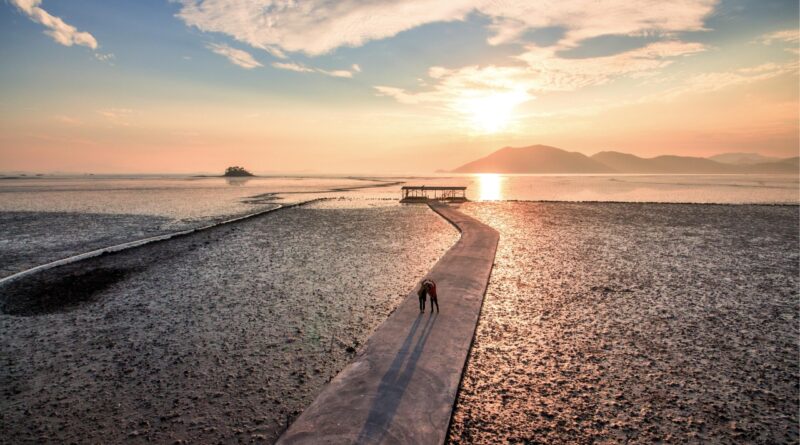
Nestled on the southwestern coast of the Korean peninsula, Haeryong-myeon, Suncheon-si, is more than just a location; it’s a gateway to some of the most pristine wetlands and beautifully curated gardens you’ll find anywhere. While the photo I’m reminiscing about was taken in 2018, the timeless allure of this region remains as vibrant and awe-inspiring as ever, making it a perennial favorite for both local and international visitors seeking authentic Korea tourism experiences.
Discovering the Ecological Heart of Korea: Suncheonman Bay Wetland Reserve
When you talk about Suncheon, the first image that often comes to mind is the breathtaking Suncheonman Bay Wetland Reserve (순천만국가정원). And guess what? A significant part of this natural marvel lies within Haeryong-myeon! This isn’t just any wetland; it’s a globally recognized ecological treasure, designated as a Ramsar Wetland and a UNESCO World Heritage site (as part of the Getbol, Korean Tidal Flats). Imagine vast expanses of golden reeds swaying gently in the breeze, stretching as far as the eye can see, meeting the intricate patterns of mudflats sculpted by the tides.
The iconic “S-curve” waterway of Suncheonman Bay, especially when viewed from Yongsan Observatory, is an Instagram sensation and a must-capture moment for any traveler. It’s a view that truly showcases the raw, untouched beauty of nature and why Suncheon is such a crucial hub for eco-tourism in South Korea. These mudflats are teeming with life – from fiddler crabs dancing in the mud to an incredible array of migratory birds that flock here during the colder months, turning the sky into a living, breathing spectacle. Birdwatchers, get your binoculars ready!
Whether you’re a nature enthusiast, a budding photographer, or simply looking for a peaceful escape from the urban hustle, the Suncheonman Bay Wetland Reserve offers an unparalleled experience. Walking along the wooden boardwalks that crisscross through the reed fields, you’ll feel a profound connection to nature. This area is not just a pretty face; it’s a vital ecosystem, and exploring it gives you a deeper appreciation for Korea’s natural heritage.
Beyond the Bay: Exploring Suncheon Bay National Garden
Just a stone’s throw (or a scenic shuttle ride/walk across the “Dream Bridge”) from the wetland reserve, you’ll find the magnificent Suncheon Bay National Garden (순천만국제정원). This isn’t just a garden; it’s a sprawling, meticulously designed wonderland that complements the wild beauty of the bay. The National Garden was created to protect the wetland by diverting visitors and offering a different kind of natural experience, and it has absolutely succeeded in becoming a tourist hotspot in its own right.
The garden features a stunning array of themed gardens, representing countries from all over the world, as well as unique Korean landscapes. Picture yourself strolling through a charming French garden, then suddenly finding yourself amidst a vibrant Dutch tulip display, or a serene Japanese garden – all within one expansive park! The “Sky Garden” bridge, which doubles as an art installation, offers fantastic panoramic views and connects the garden directly to the wetland. For young travelers, this place is a goldmine for unique photo zones, art installations, and simply a beautiful, relaxing environment to unwind and create unforgettable memories during your Korea travel.
From the whimsical “Dream Bridge” adorned with children’s art to the impressive “Lake Garden” that forms the park’s central feature, there’s always something new to discover. It’s an ideal spot for families, couples, and solo travelers alike to spend an entire day exploring, picnicking, and simply soaking in the beauty. The harmonious blend of human creativity and natural splendor makes it a true highlight of Suncheon tourism.
Practical Tips for Your Suncheon Adventure
Ready to pack your bags for Haeryong-myeon, Suncheon? Here’s some essential practical info to help you plan your perfect trip:
- How to Get There: Suncheon is easily accessible!
- By KTX: Take the KTX high-speed train from Seoul (Yongsan Station) directly to Suncheon Station. The journey takes approximately 2.5-3 hours.
- From Suncheon Station: Once at Suncheon Station, you can take a local bus (Bus #66, #67, #69, #77, or #111) or a taxi directly to the Suncheon Bay National Garden or the Wetland Reserve. The bus ride is about 20-30 minutes, and taxis are quicker.
- By Car: If driving, use a navigation app to search for “Suncheon Bay National Garden” or “Suncheonman Bay Wetland Reserve.” There’s ample parking.
- Best Time to Visit:
- Autumn (September-November): This is arguably the most popular time, when the reed fields turn a breathtaking golden-brown, creating stunning photo opportunities. The weather is also pleasantly cool.
- Spring (April-May): The National Garden bursts into bloom, and the weather is mild and pleasant.
- Winter (December-February): Ideal for birdwatching, as numerous migratory birds flock to the wetlands. It can be chilly, so bundle up!
- Summer (June-August): Lush greenery abounds, but it can be hot and humid.
- Admission & Opening Hours:
- Combined Ticket: A single ticket typically grants you access to both the Suncheon Bay National Garden and the Suncheonman Bay Wetland Reserve.
- Fees: As of my last check, adult admission is usually around 8,000 KRW. Discounts apply for youth and children. Always check the official Suncheon Bay website for the most current pricing.
- Opening Hours: Both attractions generally open from 8:30 AM to 6:00 PM (or sunset for the wetland observatory), with slight variations depending on the season. Last admission is usually an hour before closing.
- Parking: Ample parking facilities are available at both the Suncheon Bay National Garden and the Suncheonman Bay Wetland Reserve. Fees are usually minimal or included with admission.
- What to Pack: Comfortable walking shoes are a must! Bring a camera, binoculars (for birdwatching), sunscreen, a hat, and plenty of water.
Don’t Miss These Nearby Gems!
While Haeryong-myeon and its immediate surroundings offer endless exploration, Suncheon-si has even more to offer for your Korea tourism itinerary:
- Naganeupseong Folk Village (낙안읍성민속마을): Step back in time at this incredibly well-preserved traditional Korean fortress village, where people still live in the thatched-roof houses. It’s a living museum and a fascinating cultural experience.
- Seonamsa Temple (선암사) & Songgwangsa Temple (송광사): Both are magnificent ancient temples nestled in the mountains, offering serene beauty, intricate architecture, and a glimpse into Korea’s Buddhist heritage. They are particularly stunning during autumn foliage.
- Local Cuisine: Being a coastal city in Jeollanam-do, Suncheon boasts incredible food! Don’t leave without trying fresh seafood, especially 꼬막 (cockles) or 짱뚱어탕 (mudskipper stew), a local specialty. The region is famous for its abundant and delicious side dishes (banchan).
So, what are you waiting for? Suncheon’s Haeryong-myeon offers an unforgettable blend of natural grandeur, ecological significance, and cultural richness that truly embodies the spirit of Korea travel. It’s a place where you can reconnect with nature, capture stunning photographs, and create memories that will last a lifetime. Add this “Hot Travel Pick” to your itinerary and prepare to be amazed!
#Suncheon #HaeryongMyeon #KoreaTravel #Jeollanamdo #EcoTourism