
Unveiling Ildo-dong: Your Authentic Gateway to Jeju City’s Charms
Annyeonghaseyo, fellow wanderlusters! As your trusted guide to the captivating beauty of Korea, today we’re embarking on a journey to a special corner of Jeju Island that often gets overlooked by those rushing to the more famous natural wonders. We’re diving deep into the heart of Jeju City itself . This vibrant district, captured in its everyday splendor during my visit in May 2019, offers an authentic slice of local life, rich history, and delicious flavors that truly define the spirit of Jeju.
Jeju Island, a UNESCO World Heritage site, is renowned globally for its breathtaking volcanic landscapes, pristine beaches, and unique culture. But beyond the lava tubes and scenic coastlines lies Jeju City, the island’s bustling capital, and within it, Ildo-dong. Nestled strategically in the northern part of the island, right at the core of Jeju City, Ildo-dong is where the island’s past and present intertwine, offering a fascinating contrast to its natural marvels. It’s a place where you can truly feel the pulse of local life, making it a must-visit for any international traveler seeking an immersive Korean experience.
Unveiling Ildo-dong: A Glimpse into Jeju’s Heart
Ildo-dong is more than just a district; it’s a living museum of Jeju’s history and culture. Geographically, it’s centrally located within Jeju City, making it incredibly accessible and a fantastic base for exploring the wider island. This area has historically been the administrative and commercial hub of Jeju, dating back centuries. It was home to the ancient government offices and bustling markets, serving as the economic and cultural epicenter of the island.
What makes Ildo-dong truly unique is its seamless blend of the old and new. Here, you’ll find traditional markets that have thrived for generations, juxtaposed with modern shopping streets. The air is often filled with the aroma of local delicacies, the chatter of merchants, and the laughter of families. It’s a place where you can witness the everyday routines of Jeju residents, offering a more grounded and authentic experience compared to some of the more tourist-centric areas. For anyone interested in the genuine Korean lifestyle beyond the glossy brochures, Ildo-dong provides an invaluable window.
Historical & Cultural Highlights
- Jeju Mokgwana : Just on the edge of Ildo-dong, this meticulously restored historical government complex offers a fascinating look into Jeju’s administrative past. It was the main office for the island’s governor during the Joseon Dynasty. Walking through its gates feels like stepping back in time, providing a deep dive into the island’s political and cultural heritage.
- Dongmun Traditional Market: One of Jeju’s oldest and largest traditional markets, Dongmun Market is an absolute sensory delight. While technically bordering Ildo-dong, it’s an integral part of the experience. It’s a treasure trove of fresh seafood, local produce, street food, and souvenirs. This market truly embodies the spirit of Jeju’s vibrant commerce and local life.
- Chilseong-ro Shopping Street: A lively pedestrian street that cuts through the heart of Jeju City, Chilseong-ro offers a mix of fashion boutiques, cosmetic shops, cafes, and restaurants. It’s a great spot to experience modern Korean shopping culture while still being surrounded by the historical charm of the district.
What to See & Do in Ildo-dong & Nearby
Your visit to wouldn’t be complete without indulging in its culinary delights and soaking in its vibrant atmosphere. Here’s what I recommend:
- Feast on Black Pork: Jeju is famous for its succulent Black Pork, and Ildo-dong is home to a renowned “Black Pork Street.” Here, numerous restaurants specialize in this local delicacy, grilling thick cuts of pork to perfection. It’s a culinary experience you simply cannot miss!
- Explore Dongmun Market’s Night Scene: While bustling during the day, Dongmun Market transforms into a lively night market, offering an incredible array of street food, from fresh seafood skewers to local snacks. It’s an explosion of flavors and a fantastic spot for dinner.
- Capture the Essence of Local Life: The narrow alleyways, traditional storefronts, and vibrant street art scattered throughout Ildo-dong make for incredible photo opportunities. Capture the bustling market scenes, the intricate details of traditional architecture, or the everyday candid moments of local residents.
- Visit Samseonghyeol Shrine : Just a short walk from Ildo-dong, this sacred grove is believed to be the birthplace of the three mythical founders of Jeju Island. It’s a tranquil and historically significant site, perfect for a peaceful stroll and a deeper understanding of Jeju’s origins.
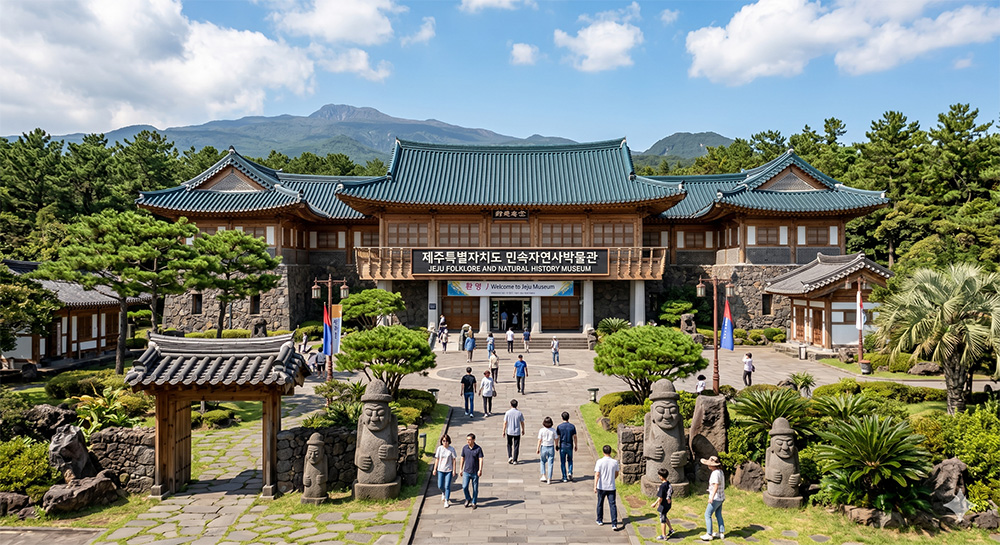
- Jeju Folklore & Natural History Museum: Located very close to Ildo-dong, this museum offers an excellent overview of Jeju’s unique geological formations, flora, fauna, and the distinct culture and traditions of its people. It’s a great place to gain context for your island adventures.
Planning Your Visit to Jeju City’s Ildo-dong
Best Seasons to Visit
While Jeju Island is beautiful year-round, my visit in May 2019 confirmed that spring (April-June) is an absolutely glorious time to explore and the wider island. The weather is pleasantly mild, flowers are in bloom, and the air is fresh. Autumn (September-November) is another fantastic option, with comfortable temperatures and vibrant fall foliage. Summer can be hot and humid, but it’s perfect for beach activities, while winter offers a unique, serene beauty, especially if you venture up Hallasan Mountain.
How to Get There
Getting to Ildo-dong is incredibly straightforward, thanks to its central location in Jeju City:
- From Jeju International Airport (CJU): Ildo-dong is just a short distance (approx. 10-15 minutes by taxi or bus) from the airport.
- Taxi: A taxi ride will cost around 5,000-8,000 KRW, depending on your exact destination within Ildo-dong.
- Bus: Several local buses connect the airport to downtown Jeju City. Look for routes heading towards Dongmun Market or Jeju City Hall. Public transport in Jeju is efficient and affordable.
- Within Jeju City: The district is well-served by Jeju City’s extensive bus network, making it easy to hop between attractions. Walking is also a great option for exploring the immediate area.
Visitor Tips for a Seamless Experience
- Admission Fees: Many areas within Ildo-dong, like the markets and shopping streets, are free to explore. Historical sites like Jeju Mokgwana and Samseonghyeol have nominal entrance fees (typically a few thousand KRW).
- Operating Hours: Markets generally open early morning and close late evening (Dongmun Night Market runs until late). Shops on Chilseong-ro typically operate from 10 AM to 9 PM. Historical sites usually open from 9 AM to 6 PM, with last entry an hour before closing. Always check specific opening times online.
- Footwear: Wear comfortable walking shoes, as you’ll be doing a lot of exploring on foot, especially in the markets and historical sites.
- Cash & Cards: While most larger establishments accept credit cards, it’s always handy to have some Korean Won (KRW) cash for smaller vendors at the market or for street food.
- Language Barrier: While English may be spoken at larger hotels and tourist information centers, learning a few basic Korean phrases (Annyeonghaseyo, Gamsahamnida) will enhance your experience, especially in local markets.
- Accommodation: Jeju City offers a wide range of accommodation options, from budget-friendly guesthouses to luxury hotels. Staying in or near Ildo-dong provides excellent access to public transport and local attractions.
Crafting Your Jeju Itinerary: Nearby Gems
Ildo-dong is an ideal starting point for exploring more of Jeju Island. Combine your visit with these nearby attractions:
- Tapdong Plaza & Coastal Walk: Just west of Ildo-dong, Tapdong offers a lively waterfront area with parks, cafes, and stunning ocean views. It’s perfect for a sunset stroll or enjoying the sea breeze.
- Jeju Port: Witness the bustling activity of Jeju’s main port, where ferries connect the island to the mainland.
- Hallasan National Park: For the adventurous, a day trip to hike Korea’s tallest mountain, Hallasan, is easily doable from Jeju City. Buses depart regularly from the city to the various trailheads.
- Jeju Stone Park: A bit further out, but a fascinating exploration of Jeju’s unique stone culture and mythology, showcasing the island’s volcanic origins.
In conclusion, offers a compelling reason to linger in Jeju City. It’s a place where history, culture, and everyday life converge, providing an authentic and enriching experience for any international visitor to Korea. So, next time you plan your Jeju adventure, make sure to set aside time to wander through the charming streets of Ildo-dong – you won’t be disappointed!
#JejuIsland #IldoDong #JejuCity #KoreaTravel #AuthenticKorea