
Escape to Paradise: Jeju Island, Your Ultimate Korean Adventure!
[Jeju Travel Guide] Exploring Korea’s Volcanic Paradise: The Ultimate Jeju Island Bucket List
Hey there, fellow wanderlusters and Korea aficionados! Are you ready to uncover a destination that consistently tops every “must-visit” list for its breathtaking beauty, unique culture, and endless charm? If you’re looking for the ultimate escape, look no further than Jeju Island, Korea’s very own volcanic paradise. Often dubbed the “Hawaii of Korea,” Jeju-do isn’t just a place on a map; it’s a vibrant, living experience.
As someone who is constantly immersed in the pulse of Korean tourism, I can tell you that Jeju is a masterpiece of natural wonders, thrilling adventures, and mouth-watering delights. Whether you’re a solo backpacker, an Instagram enthusiast, or a family traveler, this island offers a tapestry of memories waiting to be woven. Let’s dive into why Jeju should be your next big adventure!
Welcome to the Emerald of the South
Nestled just off the southern coast of the Korean Peninsula, approximately 90 kilometers south of Mokpo, Jeju Island is a UNESCO World Heritage site. It is celebrated globally for its dramatic volcanic landscapes, pristine beaches, and lush, ancient forests.
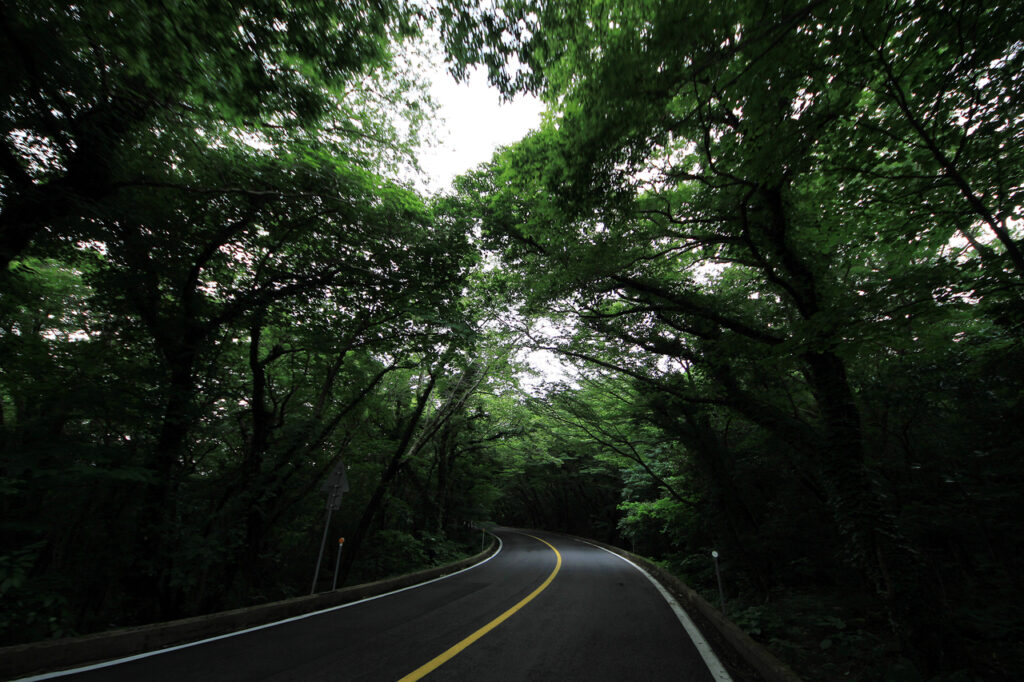
I remember looking at a captivating photograph of this island gem captured back in July 2011; even then, Jeju was a vision of natural splendor. Today, it remains as enchanting as ever, constantly evolving with trendy new cafes and luxury stays while fiercely preserving its timeless, rugged allure. From its majestic peaks to its hidden subterranean caves, Jeju offers an unparalleled escape that’s perfect for anyone seeking an unforgettable Korean adventure.
Unveiling Jeju’s Natural Wonders: An Instagrammer’s Dream
Jeju Island is a geological marvel born from ancient volcanic activity. This fiery origin has sculpted a landscape unlike anywhere else on Earth.
1. The Giant at the Center: Hallasan National Park
Dominating the island’s heart is Hallasan National Park, home to Mount Hallasan, South Korea’s highest peak (1,947m). Hiking to its summit is a rite of passage for nature lovers. Depending on the trail you choose—like Seongpanak or Gwanumsa—you’ll be rewarded with panoramic views of the entire island and the stunning Baengnokdam crater lake. During spring, the azaleas paint the mountain pink, while autumn turns the slopes into a fiery sea of red and gold.
2. Sunrise Majesty: Seongsan Ilchulbong Peak
Imagine witnessing the sunrise from Seongsan Ilchulbong (Sunrise Peak), a magnificent tuff cone rising majestically from the sea. This UNESCO site offers one of the most iconic vistas on the island. The climb is relatively easy—about 20 to 30 minutes of stairs—and the reward of seeing the first rays of light hit the ocean is truly magical. It’s the ultimate spot for that “Golden Hour” photo!
3. The Underworld: Manjanggul Cave
For something a bit more mysterious, head to Manjanggul Cave, one of the finest lava tunnels in the world. Walking through its cool, dimly lit passages, you’ll feel like you’ve stepped onto another planet. The unique stalactites and the massive lava column at the end of the accessible path are breathtaking. Pro tip: It stays a consistent 11-15°C year-round, making it the perfect place to escape the humid Korean summer.
4. Coastal Bliss: Beaches and Olle Trails
Jeju’s coastline is a masterpiece. You have the white sands and turquoise waters of Hyeopjae Beach, where you can look out at the nearby Biyangdo Island. Then there’s the vibrant surf scene at Jungmun Saekdal Beach, famous for its four-colored sands.
If you prefer slow travel, don’t forget to explore the Jeju Olle Trails. This network of 26 coastal walking paths allows you to soak in the diverse landscapes at your own pace. These trails offer endless opportunities for serene moments and hidden photography spots, making them incredibly popular with young travelers seeking a mix of adventure and tranquility.
Beyond the Beaches: Culture, Cuisine & Charm
Jeju’s appeal goes much deeper than its surface beauty. The island boasts a rich and distinct culture that feels worlds away from the bustling streets of Seoul.
The Spirit of the Island
As you drive around, keep an eye out for the iconic “Dol Hareubang” (stone grandfathers). These basalt statues are the official symbols of Jeju and were traditionally believed to offer protection and fertility.
Even more impressive are the “Haenyeo” (Sea Women). These legendary free-divers harvest seafood from the ocean floor without any breathing apparatus, often continuing their work well into their 80s! Their strength and resilience are a powerful testament to Jeju’s unique matriarchal traditions. You can visit the Haenyeo Museum or even catch a live diving demonstration at the foot of Seongsan Ilchulbong.
A Gastronomic Journey
Let’s talk food, because Jeju is a literal paradise for your taste buds. You absolutely cannot leave without trying:
-
Jeju Black Pork (Heuk-dwaeji): Grilled over charcoal, this pork is renowned for its rich flavor and chewy texture.
-
Fresh Seafood: From succulent abalone porridge (Jeonbok-juk) to spicy grilled mackerel.
-
Hallabong Oranges: These sweet, bump-topped citrus fruits are a Jeju staple. You’ll find them in juices, chocolates, and even ice cream.
The island’s vibrant cafe culture is another huge draw. Trendy spots dot the coastline, offering aesthetically pleasing interiors and floor-to-ceiling ocean views—perfect for a brunch stop or a picturesque social media update.
Practical Tips for Your Jeju Adventure
Ready to pack your bags? Here is the essential “need-to-know” for planning your perfect Jeju Island getaway.
| Category | Information |
| How to Get There | Fly into Jeju International Airport (CJU). Flights from Seoul (Gimpo) take about 1 hour and are very frequent and affordable. |
| Best Time to Visit |
Spring (April-May): Cherry blossoms and canola fields. Summer (June-August): Peak beach season and water sports. Autumn (Sept-Nov): Best hiking weather and foliage. Winter (Dec-Feb): Snow-capped Hallasan and camellia blooms. |
| Getting Around | Renting a car is highly recommended. It gives you the freedom to reach hidden gems. Taxis and buses are available but can be time-consuming for remote spots. |
| Budgeting | Natural sites have small fees (₩2,000–₩5,000). Beaches are usually free. Budget for car rentals and plenty of “Cafe Hopping” funds! |
| Accommodation | Stay in Jungmun for luxury resorts, Jeju City for convenience, or Seogwipo for a more laid-back, local vibe. |
Don’t Miss These Nearby Gems
If you have an extra day, I highly recommend a quick ferry ride to Udo Island. It’s a smaller, picturesque island perfect for exploring via electric bike or buggy. Make sure to try the famous Peanut Ice Cream while looking out over the cliffs!
For those who love themed experiences, the O’sulloc Tea Museum offers a serene look at Jeju’s green tea heritage, complete with sprawling tea fields that are a photographer’s dream. Or, if you’re chasing waterfalls, the majestic Cheonjiyeon and Jeongbang (which falls directly into the sea!) are absolute must-sees.
Jeju Island truly is a “hot pick” for anyone visiting South Korea. It offers a perfect blend of raw natural beauty, deep cultural immersion, and modern lifestyle trends. This isn’t just a vacation; it’s an experience that stays with you long after you’ve left its shores.
So, what are you waiting for? Start planning your epic Jeju adventure today and see for yourself why this island holds a special place in the hearts of travelers worldwide!
#JejuIsland #KoreaTravel #VisitKorea #JejuTourism #KoreanAdventures #Wanderlust #TravelGuide #UNESCO #Hallasan #SeongsanIlchulbong #IslandLife
Would you like me to create a 3-day optimized itinerary for your Jeju trip, or perhaps help you draft a specific blog post about the best Black Pork restaurants on the island?