
Hwasun-gun: Your Next Unforgettable Adventure in Jeollanam-do, South Korea!
Discovering Hwasun-gun: The Secret Heart of Jeollanam-do That Stole My Soul
If you’ve been scrolling through your feed seeing the same three photos of Bukchon Hanok Village or Haeundae Beach, I have a secret for you. Lean in, because this one is a game-changer for your Korean bucket list. While everyone else is fighting for a selfie spot in Seoul, I recently veered off the beaten path into the southwestern corner of the peninsula, and I think I found the “true soul” of Korea.
Welcome to Hwasun-gun.
Located in the legendary Jeollanam-do province (the undisputed food capital of the country), Hwasun is that rare destination that feels like a time machine and a deep breath of fresh air all at once. It’s not just a place to visit; it’s a place that makes you wonder why you haven’t been exploring the Korean countryside all along. Let’s dive into why this hidden gem is about to become your favorite travel memory.
The UNESCO Giant: Stepping Back into the Bronze Age
The moment you arrive at the Hwasun Dolmen Sites, you feel the weight of history—literally. Imagine hundreds of massive stone slabs, some weighing dozens of tons, scattered across the rolling hills. These aren’t just rocks; they’re prehistoric megalithic tombs dating back thousands of years.
What makes Hwasun’s dolmen site so special compared to others is the sheer scale and the “quarry” site. You can actually see where the ancient people carved these stones right out of the mountain. Walking the trail between these ancient giants feels incredibly humbling. It’s quiet, it’s vast, and honestly? It’s the ultimate “main character” photo op without a single tourist bus in sight.
Unjusa: The Mystery of a Thousand Buddhas
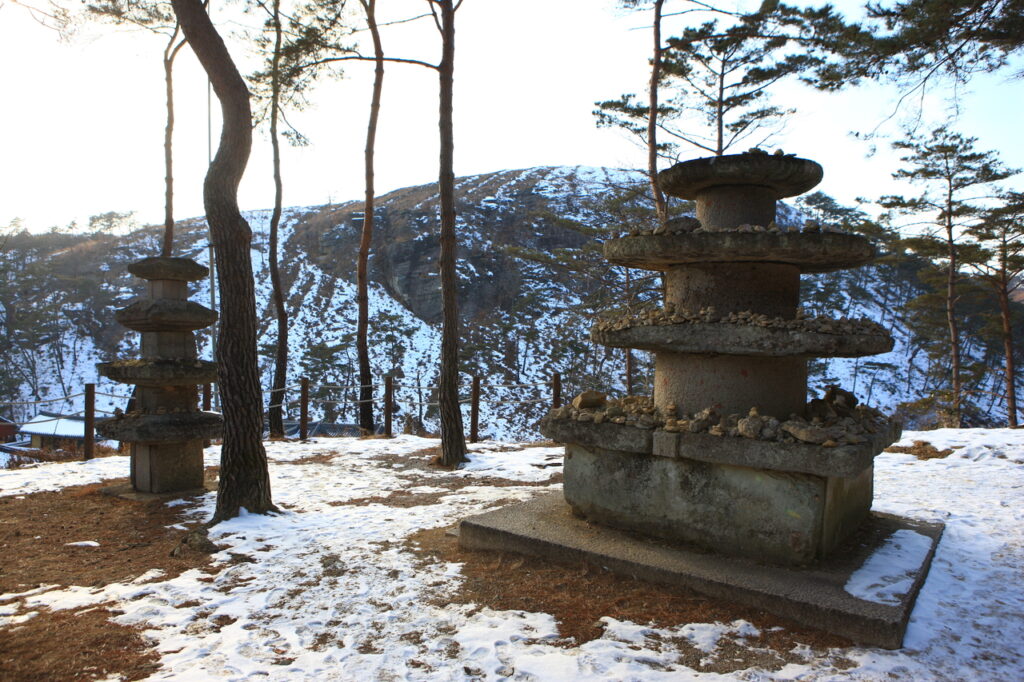
If there is one place in Hwasun that will absolutely haunt your dreams (in the best way possible), it’s Unjusa Temple. They call it the “Temple of a Thousand Buddhas and Pagodas,” and the legend behind it is pure magic.
Local lore says that a monk tried to build a thousand statues and pagodas in a single night to bring about a new world. Whether he finished or not is up for debate, but wandering through the valley today is an ethereal experience. Unlike the perfectly polished golden statues you see in Seoul, the Buddhas here are raw, stone-carved, and have these quirky, almost folk-art expressions.
-
Pro Tip: Look for the “Lying Buddhas” at the top of the hill. They are two massive figures carved directly into the bedrock, looking up at the sky. There’s a local legend that when these Buddhas finally stand up, a new era of peace will begin.
Ssangbongsa and the Art of the Wood
If you appreciate architecture, Ssangbongsa Temple is your sanctuary. The centerpiece here is a magnificent three-story wooden pagoda. It’s one of those structures that makes you stop and stare at the intricate interlocking wood—no nails, just pure craftsmanship.
The temple is tucked into a lush forest, and if you visit during the autumn, the fiery red maples against the dark wood of the pagoda are enough to make any photographer weep. It’s peaceful, scented with incense, and offers that deep “mountain temple” serenity that people travel across the world to find.
Beyond the Sights: The Flavors of Jeollanam-do
You cannot talk about Hwasun without talking about the food. You’re in Jeollanam-do, which means every meal is treated like a royal banquet.
-
Tteokgalbi (Grilled Short Rib Patties): Hwasun is famous for its juicy, smoky tteokgalbi. Imagine finely minced beef, seasoned to perfection, grilled over charcoal until it melts in your mouth.
-
The Banchan Game: Prepare your table! In this region, ordering one main dish often results in 15 to 20 side dishes (banchan) appearing out of nowhere. From spicy fermented crabs to mountain herbs you’ve never heard of, it’s a culinary adventure.
-
Local Tea Fields: While everyone flocks to Boseong (which is close by!), Hwasun has its own rolling tea hills that are much quieter. Sipping a cup of warm green tea while looking over the misty valleys? That’s peak relaxation.
Practical Guide: How to Get Your Hwasun Glow On
Ready to pack your bags? Here is the lowdown on making this trip happen smoothly:
When to Go
-
Spring (April–May): The cherry blossoms here are legendary and much less crowded than the “famous” spots.
-
Autumn (October–November): The fall foliage in the nearby Mudeungsan National Park is a vibrant explosion of color.
Getting There
-
From Seoul: Hop on the KTX from Seoul or Yongsan Station to Gwangju-Songjeong Station. It’s a breezy 2-hour ride.
-
The Final Stretch: From the station, you can grab a taxi or a local bus to Hwasun (about 30-40 minutes). If you’re feeling adventurous, I highly recommend renting a car at the station. Having your own wheels lets you stop at every scenic lookout and hidden cafe along the way!
Where to Stay
While you can stay in nearby Gwangju for the city vibes, I recommend looking for a Hanok Stay (traditional house) right in Hwasun. There’s nothing like waking up to the sound of a temple bell and the smell of pine trees.
Why Hwasun-gun Should Be Your Next Stop
In a world of fast-paced travel and “checking boxes,” Hwasun-gun asks you to slow down. It’s a place where you can touch stones carved by prehistoric hands, whisper your wishes to a thousand stone Buddhas, and eat the best meal of your life in a tiny village kitchen.
It’s authentic. It’s rugged. It’s beautiful. And most importantly, it’s waiting for you.
So, are you coming? Don’t let the secret stay a secret for too long—Hwasun-gun is calling!
#HwasunGun #Jeollanamdo #KoreaTravel #SouthKorea #HiddenGem #VisitKorea #TravelGram #UNESCO #AuthenticKorea #BucketList