
Jeju Island: South Korea’s Emerald Gem and a Pillar of Modern Korean Lifestyle
Visual Reference: Pexels
As global interest in Korean lifestyle trends continues to surge, a significant spotlight falls on Jeju Island, a volcanic marvel off the southern coast. Beyond the bustling cities, Jeju offers a profound connection to nature, a vibrant culinary scene, and a unique cultural identity that resonates deeply with the contemporary Korean desire for wellness, authenticity, and sustainable living. This UNESCO World Heritage site is not just a destination; it’s an experience, embodying the serene yet adventurous spirit of modern Korean life.
Unmissable Natural Wonders
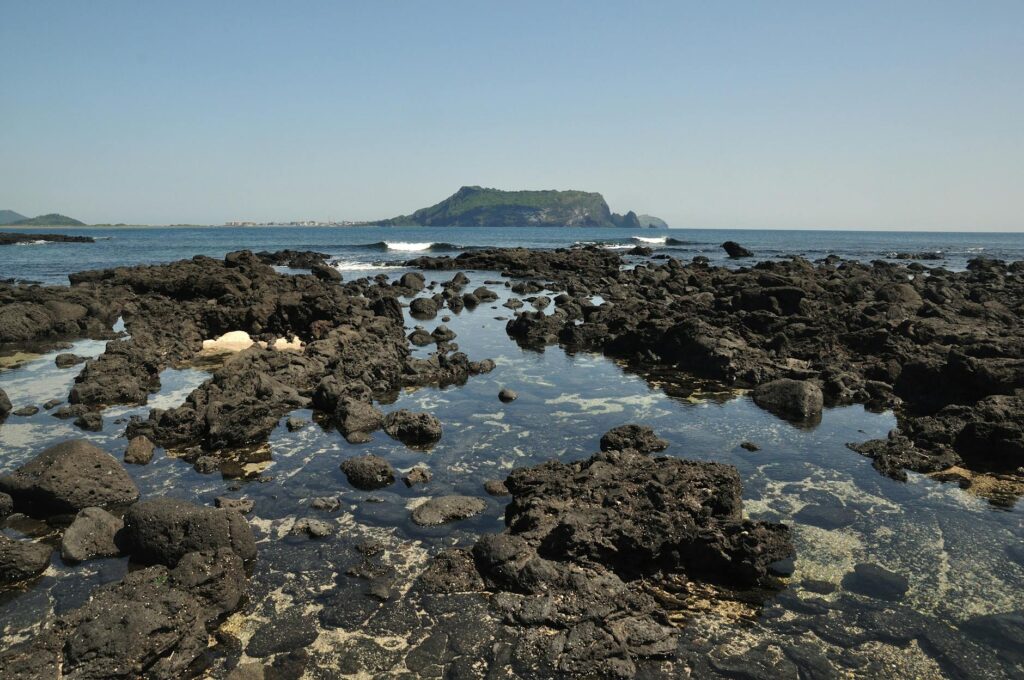
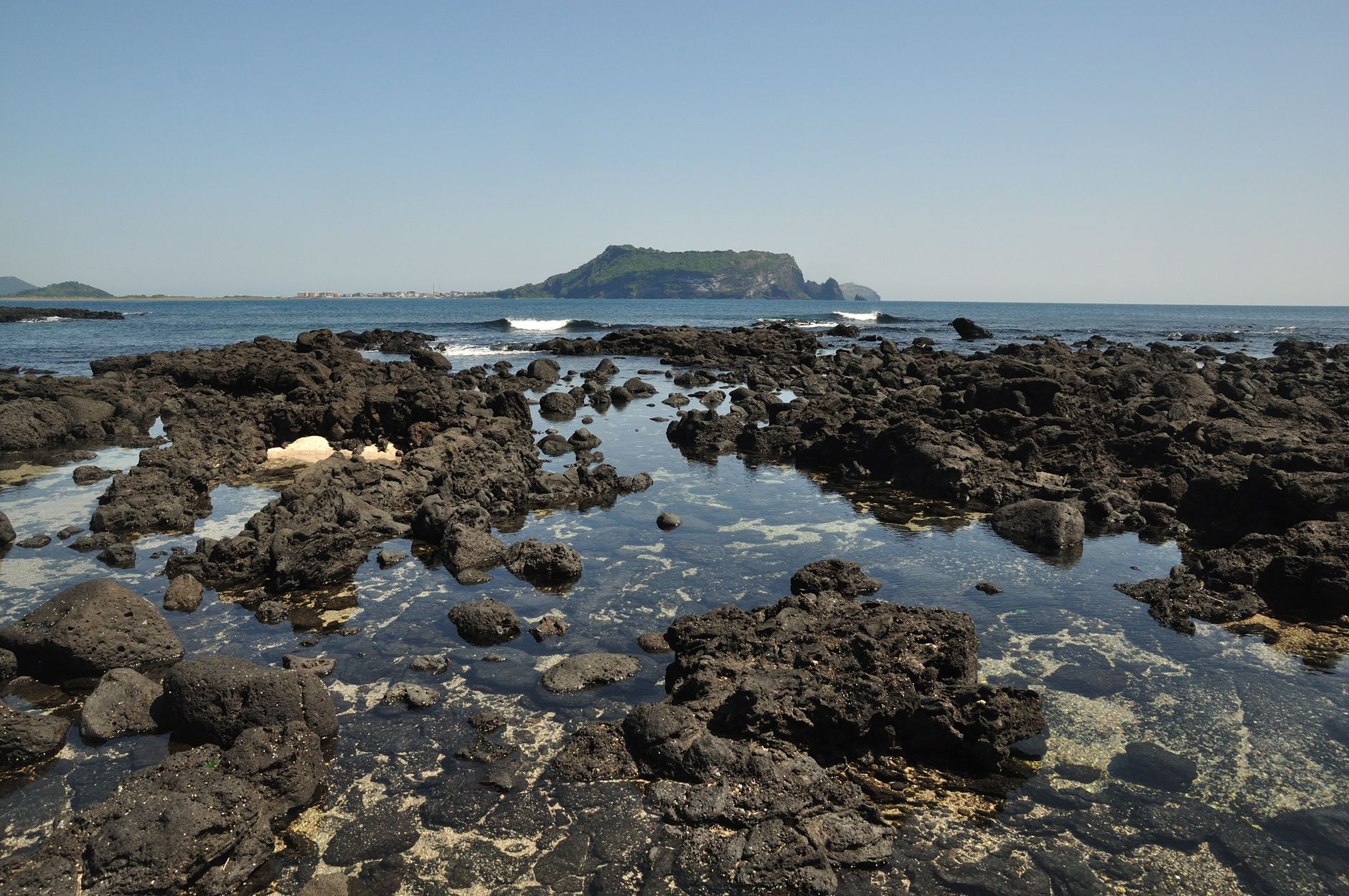
Jeju’s landscape is a testament to its volcanic origins, offering a dramatic canvas of natural beauty. A pilgrimage to Hallasan National Park, home to South Korea’s highest peak, is essential for hikers, with trails leading through diverse ecosystems to a stunning crater lake. For a breathtaking dawn spectacle, Seongsan Ilchulbong Peak, or ‘Sunrise Peak,’ provides an unparalleled view as the sun ascends over its dramatic caldera. Another geological marvel is the Jusangjeolli Cliff, where hexagonal basalt columns rise majestically from the sea, sculpted by ancient lava flows. Delve underground into the Manjanggul Cave, one of the world’s finest lava tubes, offering a glimpse into the island’s fiery past.
A Taste of Jeju: Culinary Delights
Jeju’s cuisine is as distinctive as its landscape, rooted in fresh, local ingredients. No visit is complete without savoring Heukdwaeji, Jeju Black Pork, famed for its tender texture and rich flavor, often grilled to perfection. The island’s connection to the sea is epitomized by the Haenyeo, Jeju’s legendary diving women, who harvest fresh seafood like abalone, sea urchins, and octopus directly from the ocean. Enjoy these oceanic treasures at seaside restaurants, often served raw or simply prepared to highlight their natural taste. Don’t leave without trying the island’s renowned citrus, especially the sweet and tangy Hallabong oranges, or a refreshing glass of Jeju’s famous green tea from the picturesque plantations like O’sulloc.
Cultural Heartbeats and Traditions
Jeju’s culture is imbued with a resilient spirit and deep respect for nature. The iconic Dol Hareubang, stone grandfathers carved from volcanic rock, stand as guardians of the island, symbols of protection and fertility. To truly understand Jeju’s heritage, a visit to the Jeju Folk Village Museum is highly recommended, showcasing traditional thatched-roof homes, tools, and the daily life of islanders from centuries past. The living heritage of the Haenyeo, recognized by UNESCO for their unique culture of sustainable free-diving, can be observed at various coastal villages, sometimes including live demonstrations and museums dedicated to their incredible legacy. These cultural touchstones offer a profound insight into a lifestyle deeply intertwined with the island’s natural rhythms.
Jeju Island is more than a scenic escape; it’s a vibrant expression of a cherished Korean lifestyle, blending stunning natural beauty with a rich cultural tapestry and an unforgettable culinary journey. For those seeking a deeper connection with South Korea’s soul, Jeju remains an unparalleled destination.