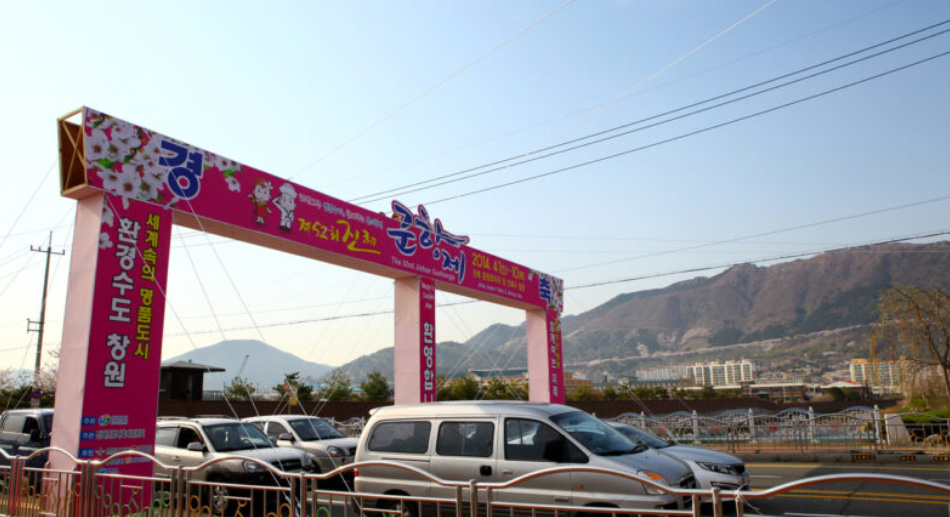
Jinhae: Where Cherry Blossoms Paint Korea Pink – Your Ultimate Travel Guide
Welcome, fellow wanderlusters and Korea enthusiasts! If you’re dreaming of a truly magical springtime experience in South Korea, then let me whisk you away to a destination that transforms into a breathtaking wonderland of soft pink petals each year: Jinhae (진해). Nestled in the coastal embrace of Gyeongsangnam-do province, in the southeastern part of South Korea, Jinhae is an absolute must-visit for anyone planning Korea travel, especially during the cherry blossom season. It’s not just a town; it’s an experience, a living painting that captivates every visitor.
For those seeking unique South Korea tourism experiences beyond the bustling streets of Seoul, Jinhae offers a serene yet vibrant escape. Its fame primarily stems from being the host of the largest cherry blossom festival in the country, the Jinhae Gunhangje Festival (진해군항제). My own memories, like photos taken in April 2014, perfectly capture the ethereal beauty of this time, when millions of cherry trees burst into bloom, showering the streets, streams, and hillsides with their delicate flowers.
A Glimpse into Jinhae’s Unique Past and Petaled Present
Jinhae’s charm isn’t just skin-deep; it’s steeped in a rich and fascinating history that adds layers to its beauty. Originally developed as a naval port during the Japanese colonial era (1910-1945), its strategic location on the southern coast made it an important military hub. Many of the cherry trees that now define Jinhae’s landscape were initially planted during this period. After Korea’s liberation, there was a period when many of these trees were cut down due to their association with Japanese imperialism. However, thanks to dedicated efforts and the recognition of their natural beauty, new trees were planted, eventually leading to Jinhae becoming the unparalleled cherry blossom capital it is today.
Today, Jinhae is part of Changwon City, but it retains its distinct identity as a naval city and a floral paradise. The annual Jinhae Gunhangje Festival, which translates to “Naval Port Festival,” beautifully intertwines its naval heritage with the natural spectacle of the cherry blossoms. This festival, usually held from late March to early April, features parades, cultural performances, and military band concerts, making it a truly unique event that celebrates both nature and history. It’s a prime example of how Korea travel offers a blend of tradition, natural beauty, and modern vibrancy.
Chasing Blossoms: The Best Photo Spots and Times to Visit
If you’re wondering when the best time to visit Jinhae is, the answer is unequivocally late March to early April. This is when the cherry blossoms are at their peak, transforming the entire city into a breathtaking canvas of pink and white. Be prepared for crowds, as this is a hugely popular destination for both domestic and international tourists, all eager to witness this ephemeral beauty. But trust me, the spectacle is worth it!
Now, for those iconic photo opportunities that will fill your Instagram feed with envy, Jinhae has several legendary spots:
- Yeojwacheon Stream (여좌천) & Romance Bridge: This is arguably Jinhae’s most famous cherry blossom spot, often referred to as the “Romance Bridge” due to its appearance in a popular Korean drama. Cherry trees line both sides of the stream, forming a magnificent tunnel of blossoms. At night, the trees are illuminated, creating an even more magical atmosphere perfect for stunning photos.
- Gyeonghwa Station (경화역): An old train station where a picturesque stretch of railway tracks is completely enveloped by cherry blossoms. Imagine a vintage train slowly passing through a tunnel of flowers – it’s an incredibly cinematic scene and a favorite among photographers. While trains no longer regularly stop here, a special “Cherry Blossom Train” might run during the festival, offering a unique experience.
- Jinhae Tower (제황산공원 진해탑): Located in Jehwangsan Park, this tower offers panoramic views of the entire city blanketed in cherry blossoms, with the sparkling blue sea in the distance. It’s a fantastic spot to grasp the sheer scale of Jinhae’s floral abundance and capture sweeping landscape shots. You can reach the tower via a monorail or by climbing the “365 stairs.”
- Naval Academy & Naval Port Command: While access to certain areas might be restricted due to its military status, during the festival, parts of the Naval Academy are often opened to the public. This offers a rare chance to see cherry blossoms against a backdrop of impressive naval ships and historical buildings.
Planning Your Jinhae Adventure: Tips, Transportation, and Nearby Gems
Ready to embark on your Jinhae journey? Here are some practical tips to make your Korea travel experience smooth and enjoyable:
How to Get There:
Jinhae, located in Gyeongsangnam-do, is quite accessible from major Korean cities:
- From Seoul: The fastest way is to take a KTX train from Seoul Station to Changwon Station (approx. 3 hours). From Changwon Station, you can take a local bus (number 150 or 160) or a taxi directly to Jinhae (approx. 30-40 minutes). Alternatively, express buses run directly from Seoul’s Nambu Bus Terminal or Dong Seoul Bus Terminal to Jinhae Bus Terminal (approx. 4.5-5 hours), which might be more convenient during peak season as they drop you right in the city.
- From Busan: This is generally easier. Take an intercity bus from Busan’s Sasang Terminal (Seobu Bus Terminal) directly to Jinhae Bus Terminal. The journey is short, usually around 1 hour.
- Within Jinhae: Once in Jinhae, many of the main attractions are walkable, especially around Yeojwacheon Stream. For further distances, local buses are efficient, or you can use taxis. During the festival, special shuttle buses might also be available.
Visitor Tips:
- Book Accommodation Early: Jinhae’s hotels fill up very quickly during the cherry blossom season. Consider staying in nearby Changwon or even Busan if you can’t find anything suitable in Jinhae.
- Prepare for Crowds: This is a popular festival! Go early in the morning or later in the evening to avoid the densest crowds, especially at Yeojwacheon Stream and Gyeonghwa Station.
- Wear Comfortable Shoes: You’ll be doing a lot of walking to fully appreciate the beauty of Jinhae.
- Try Local Delicacies: Keep an eye out for “Jinhae Cherry Blossom Bread” (진해벚꽃빵), a unique local pastry, and enjoy the fresh seafood available in this coastal city.
- Check Blossom Forecasts: Cherry blossom bloom times can vary slightly each year depending on the weather. Consult local tourism websites or weather forecasts for the most accurate predictions closer to your travel date.
Nearby Attractions for Your Itinerary:
Why stop at Jinhae? Extend your Korea travel adventure by exploring the surrounding Gyeongsangnam-do region:
- Busan: Just an hour away, Korea’s second-largest city offers a vibrant mix of beaches (Haeundae, Gwangalli), bustling markets (Jagalchi Fish Market, Gukje Market), colorful cultural villages (Gamcheon Culture Village), and stunning temples (Beomeosa Temple). It’s a fantastic contrast to Jinhae’s tranquil beauty.
- Tongyeong: Known as the “Naples of Korea,” Tongyeong boasts beautiful islands, fresh seafood, and the Hallyeosudo Cable Car offering panoramic views of the Dadohae National Marine Park.
- Geoje Island: South Korea’s second-largest island, connected by bridges, is famous for its scenic coastal drives, pristine beaches, and unique attractions like Windy Hill and Oedo Botania (a stunning marine botanical garden).
Jinhae truly is a jewel in the crown of South Korea tourism, especially for those seeking an unforgettable spring experience. Its blend of naval history, vibrant festival atmosphere, and unparalleled natural beauty makes it a destination that will linger in your memories long after the petals have fallen. So, when you’re planning your next trip to Korea, make sure Jinhae is at the very top of your list!
#Jinhae #KoreaCherryBlossoms #TravelKorea #GyeongnamTravel #JinhaeGunhangje
